Interior design website templates are a practical way to launch quickly at low cost, and for many new studios they are the right choice. A custom website becomes worth the investment when your studio needs more pages, more control over structure and speed, or a design that clearly sets you apart from others using the same theme.
Here is an honest comparison to help you decide which suits your studio now, and what to watch for if you start with a template.
What a template gives you
A good template offers a tested layout, built-in mobile design, simple editing and a fast route to launch. On platforms like Squarespace, Showit or WordPress, you can choose a design, add your photography and words and go live within days if your content is ready.
For a newer studio, that speed is valuable. It is better to have a clear, attractive website now than a perfect one next year. Our guide to creating an interior design website step by step shows how to get the most from whichever route you choose.
Where templates start to hold studios back
The limits of a template usually appear as a studio grows. Common frustrations include:
- Sameness: popular themes are used by many designers, sometimes in the same city.
- Rigid project pages: layouts that suit galleries but not project stories, facts and captions.
- Structure limits: difficulty adding many service, location or project pages with a clean hierarchy.
- Speed: heavy themes plus large photography can make pages slow, especially on phones.
- Search details: less control over titles, headings, structured data and page addresses.
- Workarounds: small changes that require code injections or third-party plugins.
None of these makes a template a bad choice. They are simply signs that your studio may be ready for something built around how you work.
What a custom website changes
A custom website is designed and built for your studio's content and goals. Project pages can be structured the way you tell stories. Service and location pages can be added cleanly as you grow. Speed, structured data and page structure can be handled properly from the start.
It also allows a design that genuinely reflects your brand, rather than a recolored version of a theme. For studios competing for larger projects, that distinction can matter more than it seems. Our article on what makes a luxury interior design website feel luxury explores why.
Comparing cost honestly
Templates look cheaper, and upfront they usually are. But the real comparison includes your time, the cost of premium themes and plugins and the opportunity cost of a site that does not bring the right inquiries. A custom website costs more upfront and should be judged by how well it supports the business over several years.
For a clearer view of what drives price, see our guides to interior design website cost and using a website builder versus hiring a designer.
A middle path many studios take
You do not have to choose between a stock template and a fully custom build. Some studios start with a template, invest in excellent photography and strong content and then move to a custom site once their portfolio and inquiries justify it. Others work with a designer to customize a template heavily.
The important thing is to write your content and structure your pages well from the start. Good project stories, clear service pages and accurate business details move with you to any platform, so the work is never wasted.
How to choose a template well
If a template is right for now, choose carefully:
- Pick one designed for portfolios, with flexible project page layouts.
- Check how it looks and loads on a phone using your own photos, not the demo images.
- Make sure you can edit page titles, descriptions and image alt text.
- Avoid templates that rely on heavy sliders or autoplay video.
- Change fonts and colors thoughtfully so it feels like your studio.
Our guide to choosing a website builder as an interior designer compares the main platforms in more depth.
Signs it is time to go custom
Consider a custom website when several of these are true. You are adding projects regularly and the template makes it awkward. You want service or location pages for the areas you serve. Your site loads slowly despite compressed images. Your inquiries do not match the work you want. Or you are about to invest in advertising and want the site to convert better first, which is covered in our article on what to fix before running ads.
What we saw when studios made the switch
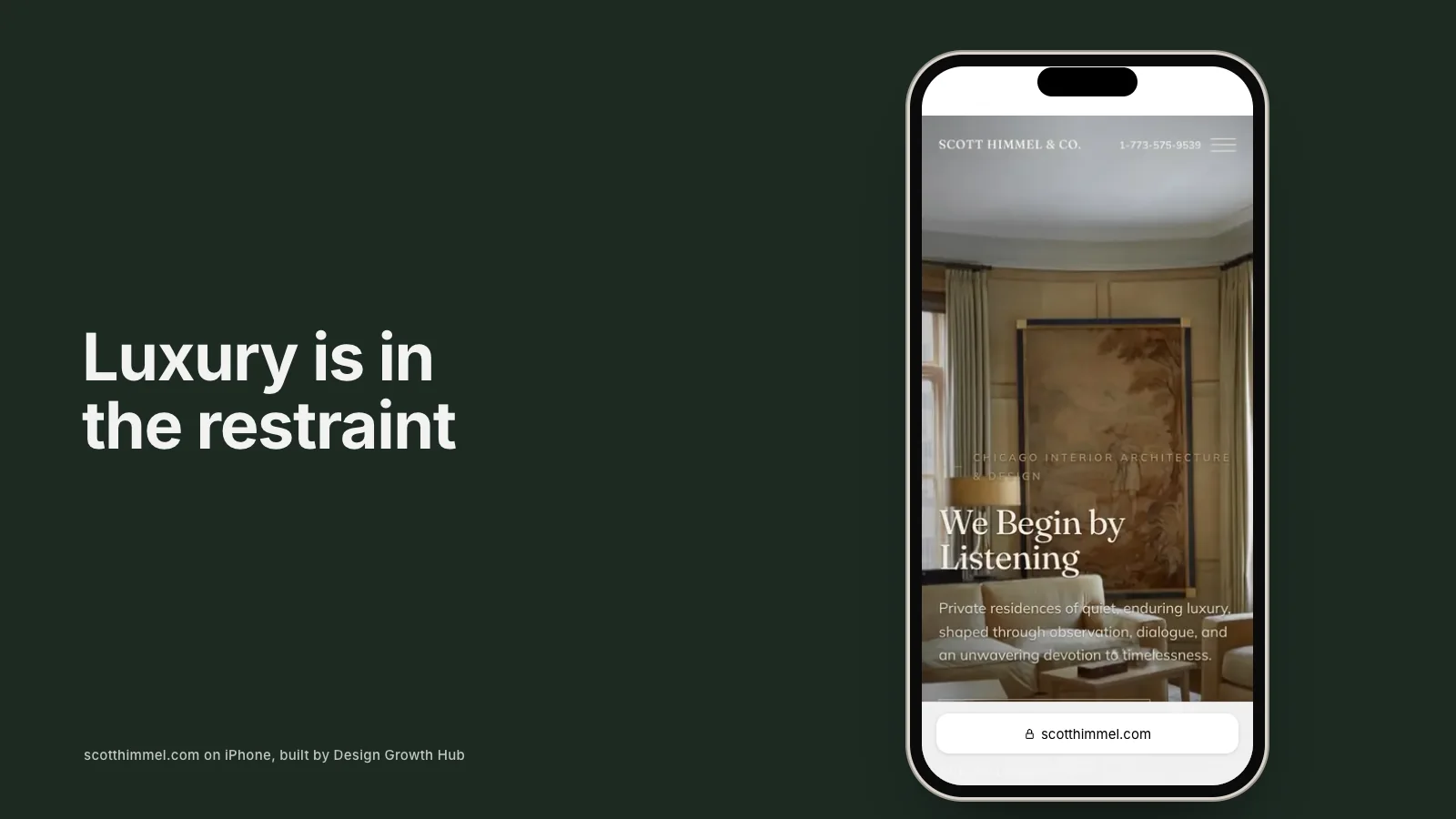
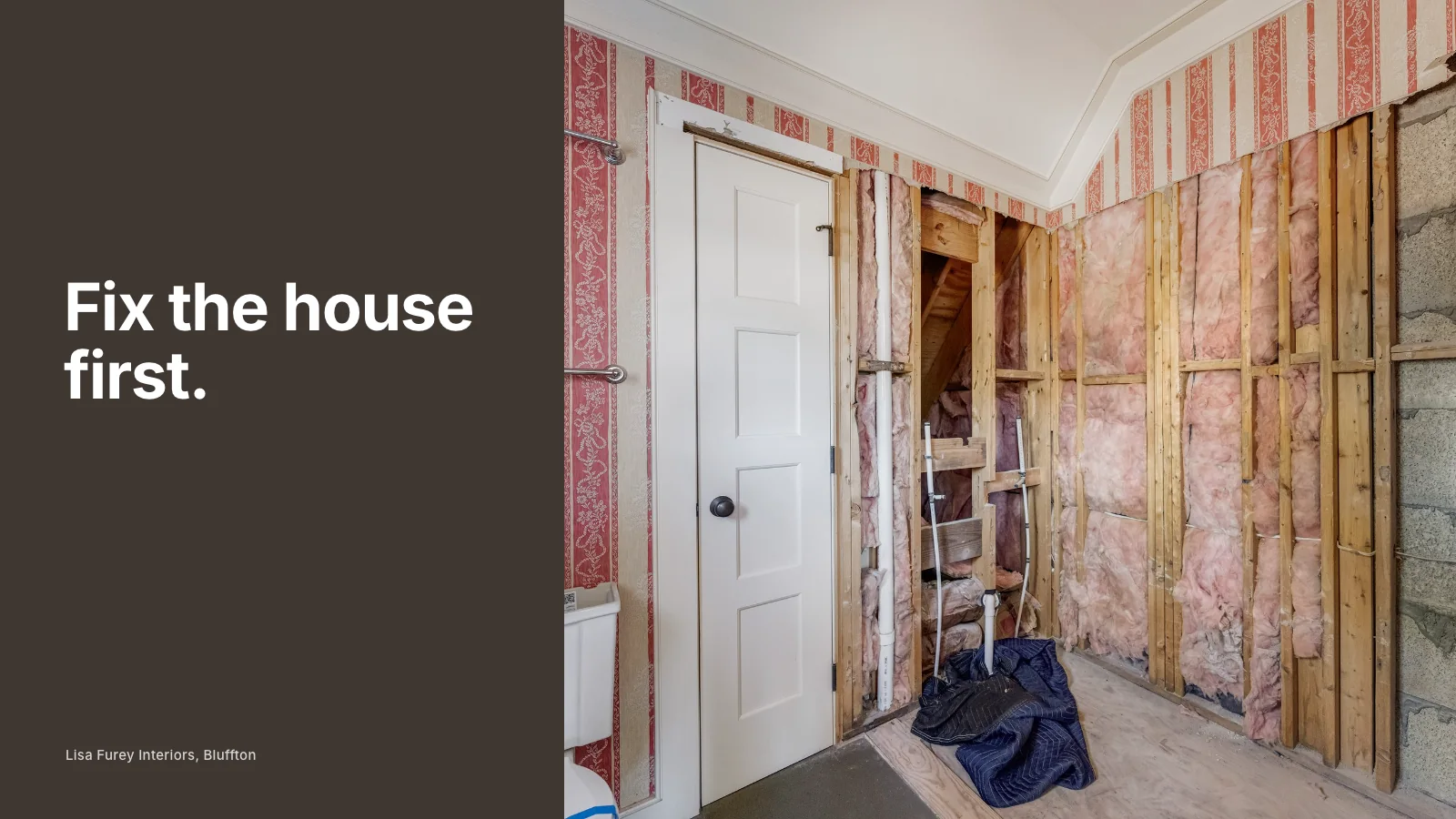
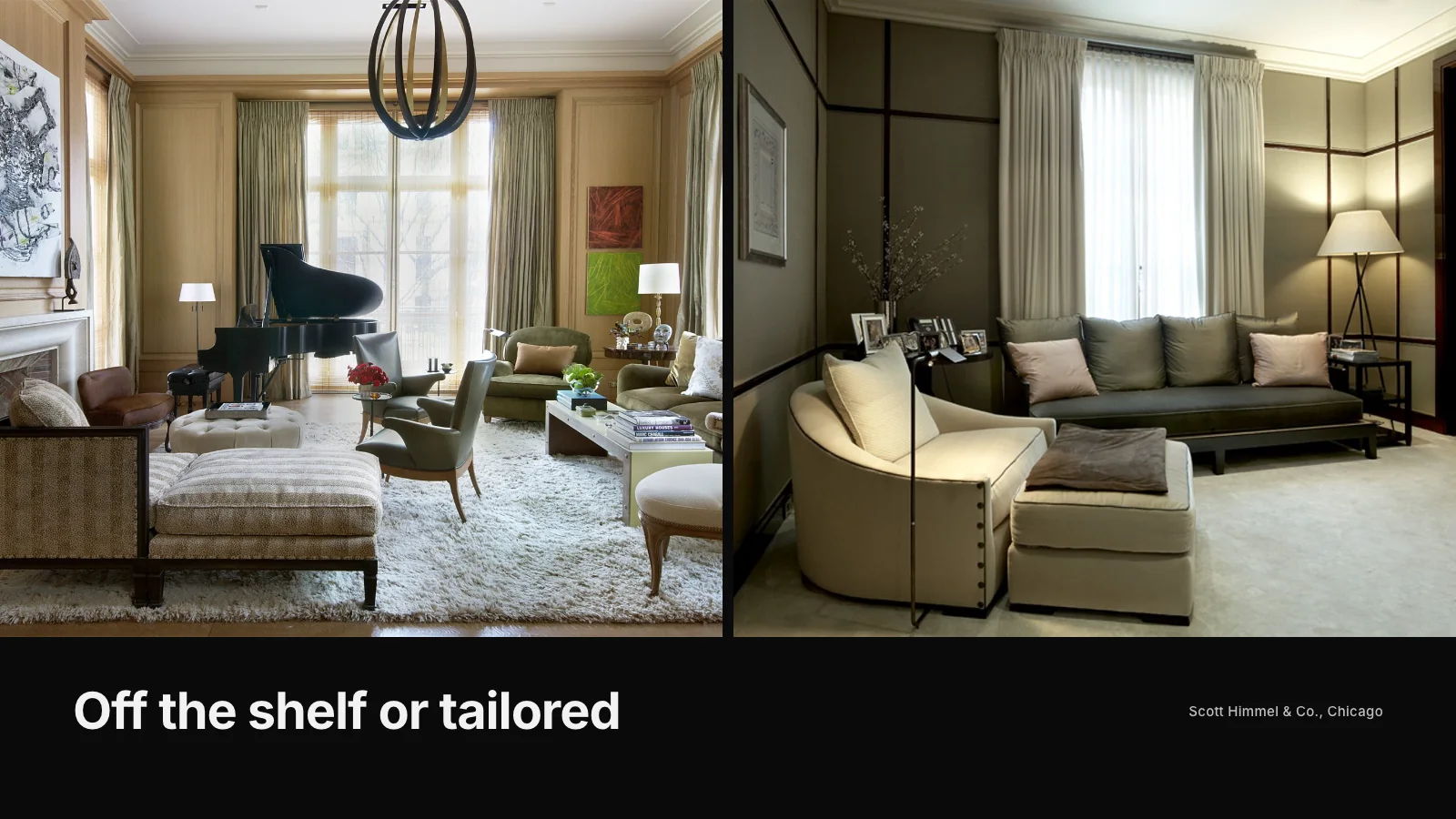
Several studios we have worked with moved from builders to custom sites once they outgrew them. Lisa Furey Interiors moved from Squarespace to a 29-page custom build with ten project stories and a press archive. Scott Himmel & Co. moved from Wix to a site with 24 project pages. In both cases, the old content was carried over carefully, with redirects so existing links kept working. You can see more in our case studies.
If you are weighing the decision, our website creation service can help you plan either route. Or request a studio review and we will tell you honestly whether your template still fits. You may also find our articles on portfolio websites and what a company website should include helpful as you plan.
Strengthen your Google + AI visibility
The studios that get found are not always the best. They are the clearest. Let us make yours easier to understand and recommend.
Request a Studio Review