On this page6 sections
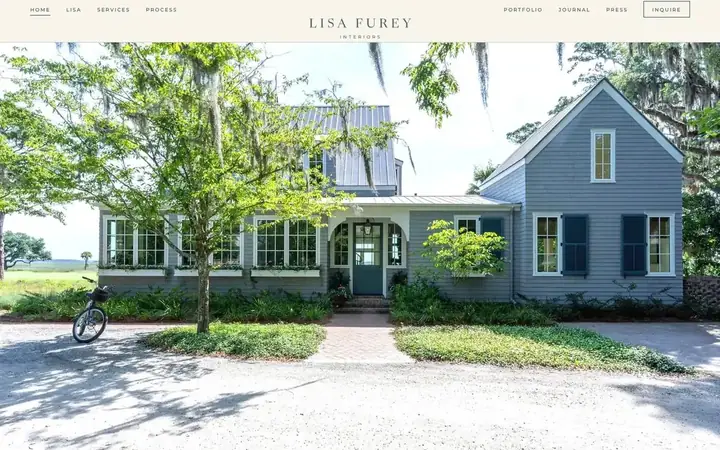
A designer once told me she had spent four figures on Google Ads in a single month and gotten three inquiries, none of them serious. The work in her portfolio was stunning: a lake house in the Hill Country, a coastal whole-home remodel, two custom kitchens that belonged in a magazine. The problem was never the talent. The problem was that every click landed on a page that did not explain who she served, what a project with her looked like, or why she was worth a premium. Ads do not fix that. Ads make it louder.
Paid traffic is a multiplier. Point it at a clear, structured, trustworthy foundation and it compounds. Point it at a beautiful but confusing site and you are paying to send qualified prospects to a dead end. Before you touch a budget, the website structure for interior designers has to be doing its job. Here is what to fix first.
Decide who the ad is actually for
Most ad accounts fail because the offer is vague. "Interior design services" tells Google nothing and tells a homeowner even less. A new construction client in the suburbs and a furnishing-and-styling client downtown are searching for different things, comparing different studios, and ready to spend at different levels.
Before the budget, get specific about the project types you want to win. High-value homeowners rarely search your studio name; they search the thing they need. That is why high-value clients search by project type, not by brand, and your ads and landing pages need to mirror that language exactly.
- One primary project type per campaign: kitchen and bath, whole-home remodel, new construction, or furnishing.
- A clear service area, not "nationwide" when you take a handful of projects a year.
- An honest price posture so unqualified clicks self-select out before they cost you.
Send clicks to a service page, not your homepage
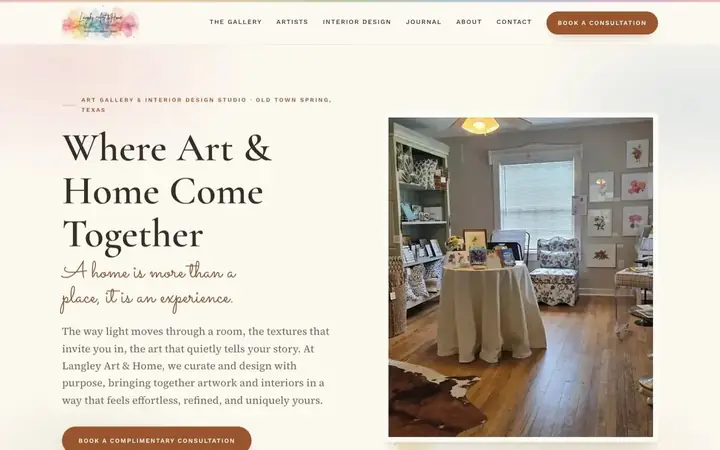
This is the most common and most expensive mistake. The ad promises "luxury kitchen renovation" and the click lands on a homepage that talks about everything the studio does. The visitor has to hunt for what they came for, and most will not.
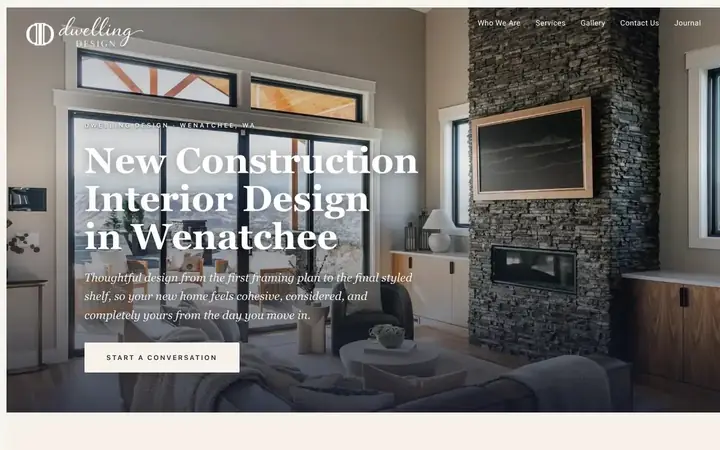
A real service page answers the question the searcher already has: what this service includes, what the process looks like, what kind of homes you take on, and what happens next. This is exactly why designers need service pages, not just a portfolio. If your ads have nowhere coherent to land, the structure work comes before the spend. From complete structuring to visibility.
Make the page qualify, not just impress
Beautiful photography earns attention. It does not, on its own, earn a serious inquiry. A high-end client is comparing two or three studios before they ever reach out, and they are reading for fit: budget range, scope, timeline, the kind of homes you understand. Give them nothing to read and they will fill the silence with doubt.
The goal of a landing page is not to be admired. It is to make the right person feel understood and the wrong person move on.
When the page does this work, your inquiries arrive warmer and more qualified, which is the whole point of paying for traffic. Worth studying alongside this: how to make your website qualify better design clients and why high-end clients compare you before they inquire.
Fix the contact path before you scale spend
You can run a flawless campaign and lose the lead at the last step. A contact form that asks for nothing useful, a page that feels transactional, or a single email link with no context will quietly drain your budget. Every click you paid for stops there.
Look hard at the moment of handoff, because your contact page may be costing you better clients. A strong contact experience sets expectations, signals that you are selective, and gives the prospect a reason to write a real message instead of "how much do you charge."
Build the trust the ad cannot create
Paid traffic buys a visit. It does not buy belief. A first-time visitor who has never heard of your studio needs proof, and they need it fast. That is reviews, a substantive about page, real project descriptions, and case studies that show how you think, not just how you photograph.
Do this work and your ads convert better because the landing page is no longer carrying the entire burden of persuasion. A few foundations to put in place first:
- reviews that make you look more trustworthy online, especially on your Google Business Profile.
- Case studies that win better clients by walking through scope, decisions, and outcome.
- A site that earns confidence before contact, because you can build trust before a client ever reaches out.
Why the foundation outlasts the ad budget
Here is the quiet warning. Ads stop the moment you stop paying. The structure, service pages, reviews, and clarity you build do not. They keep working in organic search, in Google's results, and in the AI tools more clients now use to shortlist designers. A studio with a weak foundation pays twice: once for the click and again for the lost inquiry.
This is also why Google Ads fail when the website foundation is weak. Fix the foundation and your paid spend gets cheaper to run and your organic visibility climbs at the same time. If you are not sure where the gaps are, our paid ads and conversion work starts by auditing what the traffic would actually hit. The order matters: structure, trust, then spend.
Next step
Start with a Google + AI visibility audit
Before changing anything, it helps to see clearly. A visibility audit shows exactly where your studio is easy, or hard, to understand.
Request a Studio Review
Website redesign, Google SEO, Google Business Profile and AI search visibility, trusted by more than 100 interior design studios, architects and contractors across the United States.
 5-star Google reviews