The best closet design websites inspire homeowners with galleries of real projects, explain systems, materials and finishes clearly, make booking a design consultation effortless, give honest guidance about investment, show reviews and credentials and extend beyond closets to garages, pantries, home offices and other storage spaces. Closets are personal, so the experience should feel organized, calm and tailored, just like the finished space.
Here is what to include and how to present it.
Inspiring galleries by space
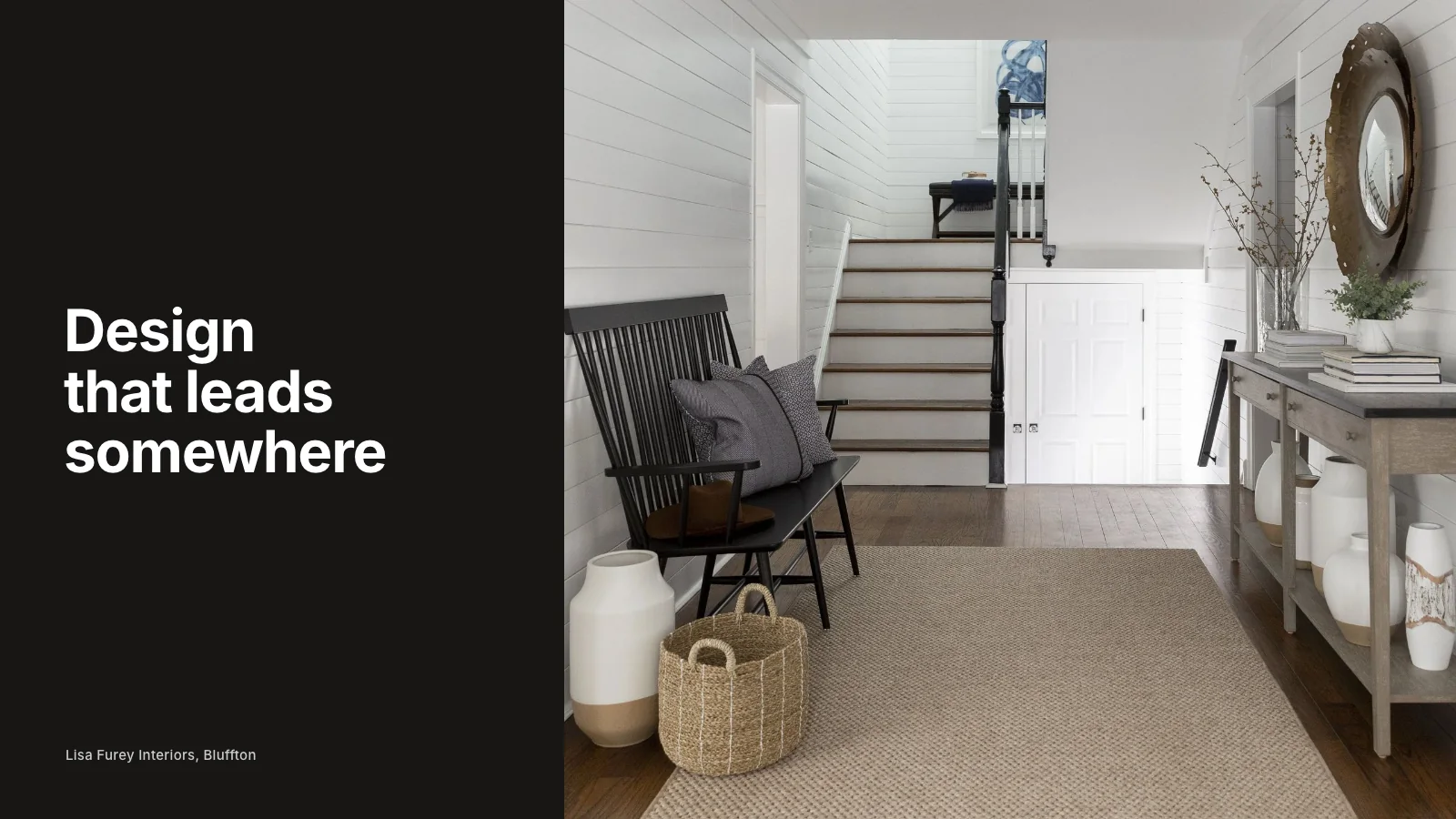
Organize projects by space: walk-in closets, reach-in closets, pantries, garages, home offices, laundry rooms and mudrooms. Each gallery should show real installations with good lighting and styling. Homeowners want to see spaces like theirs.
Explain systems and materials
Closet buyers often compare systems, finishes and features without knowing the differences. Explain material options, finishes, hardware, lighting, drawer and door styles and accessories. Clear explanations help homeowners make decisions and understand value.
Make consultations easy to book
For most closet companies, the design consultation is the main conversion point. Make booking easy with a clear button on every page, a simple form or scheduling tool and an explanation of what happens during the consultation, in-home or virtual.
Give pricing guidance
Homeowners often hesitate because they have no idea what a custom closet costs. You do not need exact prices, but explaining what affects cost and sharing typical ranges where accurate helps homeowners prepare and filters out mismatches.
Show the design process
Walk through your process: consultation and measuring, design and 3D rendering, approval, manufacturing and installation. Mention typical timelines. A clear process builds confidence.
Reviews and proof
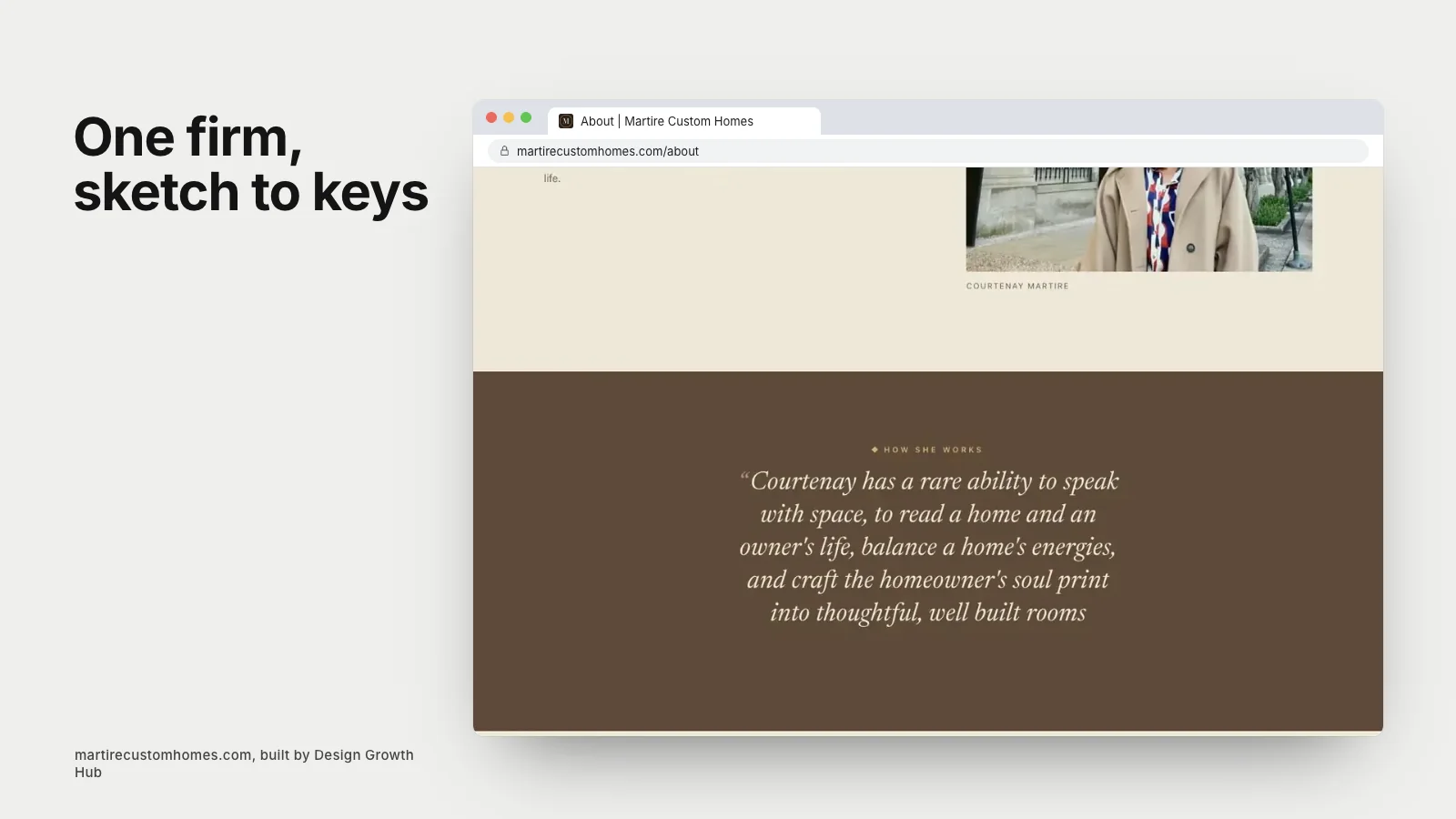
Display reviews prominently, link to your Google profile and include testimonials on project pages. Mention warranties and certifications where relevant.
Service areas
State where you work. If you serve several towns, consider area pages with local projects.
Beyond closets
Many closet companies also design pantries, garages, offices and laundry rooms. Give each space its own page so homeowners searching for those projects find you.
Mobile experience
Homeowners often browse closet ideas on phones. Make sure galleries swipe smoothly, pages load quickly and booking works easily on mobile.
Content that helps
Articles on planning a walk-in closet, maximizing small closets or organizing a pantry attract homeowners early and show expertise.
Design quality
Closet websites should feel organized and calm. Use generous spacing, clean typography and strong photography. Avoid cluttered layouts that contradict the promise of order.
Conversion focus
The best sites make the next step obvious on every page. Our article on conversion website design explains principles that apply here.
Learning from adjacent businesses
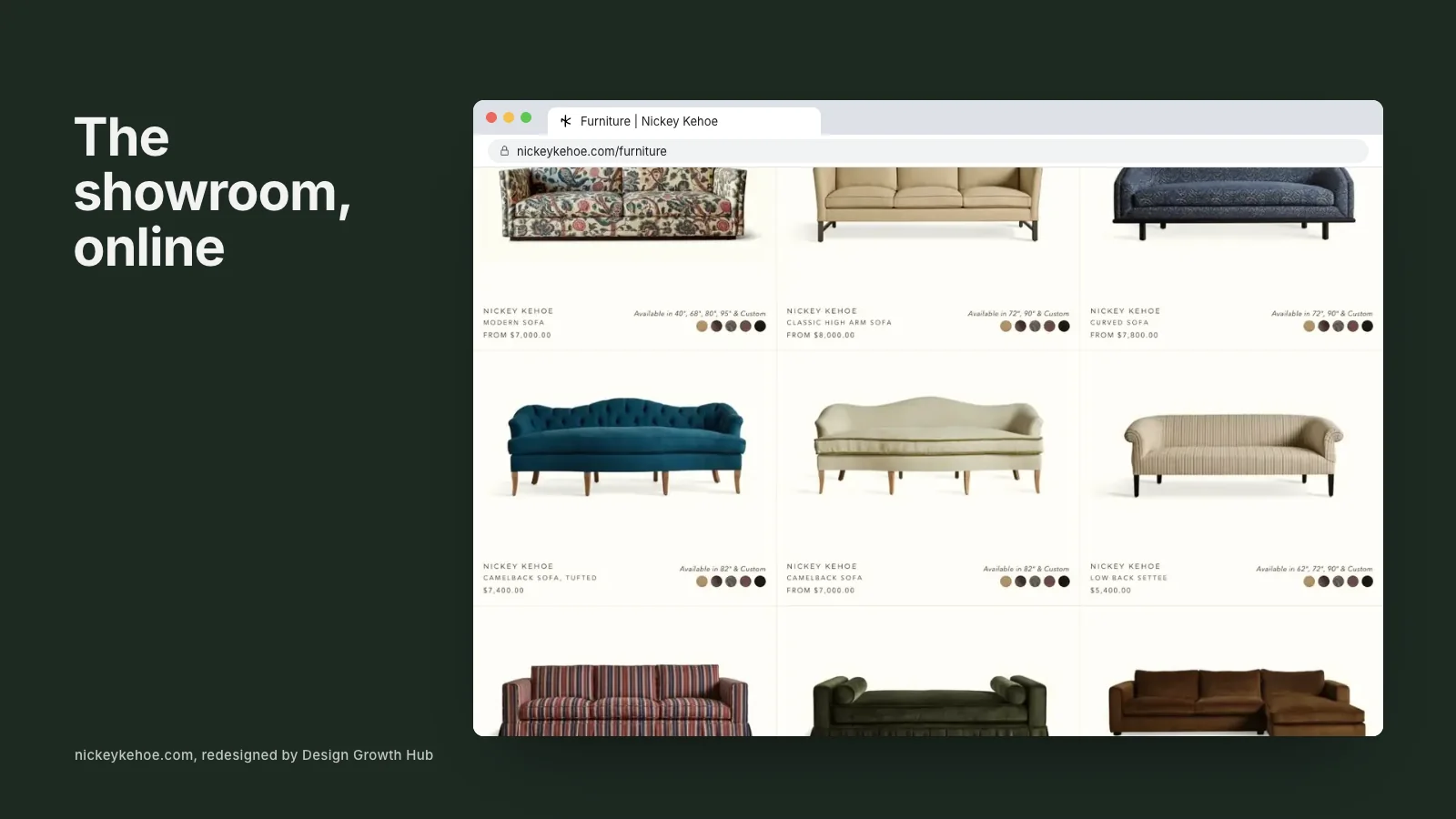
Furniture stores, design build firms and interior designers present design work in ways closet companies can learn from. Our articles on website design for furniture stores, what a design build website needs and what an interior design company website should include offer ideas. For planning a site from scratch, see creating a design website step by step, and for using motion carefully, animated websites.
Show before and after
Closets are one of the most satisfying transformations to see: from overflowing shelves and tangled hangers to calm, organized space. Before and after photos show the value of design more clearly than finished photos alone. Pair them with a short description of how the new layout works for the homeowner, such as separate zones for shoes, accessories and seasonal storage.
Tell homeowners how it works for their life
Closets are personal. The best websites describe projects in terms of how people live: a couple who share a closet and needed separate sides, a family that wanted a mudroom to tame school mornings, a home office that hides clutter at the end of the day. These stories help visitors imagine how a design would serve them, not just how it looks.
Explain lighting and details
Integrated lighting, soft-close drawers, valet rods, jewelry trays, mirrors and shoe displays are often what make a custom closet feel special. Show these details close up and explain why they matter. Many homeowners do not know these options exist until they see them.
Reassure about installation
Homeowners worry about how long installation takes and how disruptive it will be. Explain typical installation times, what preparation is needed and how your team leaves the space. Clear expectations reduce hesitation before booking.
Offer virtual consultations
Some homeowners prefer to start with a video call before inviting a designer into their home. Offering virtual consultations, with guidance on measuring and photographing the space, makes it easier for busy people to take the first step.
Make the booking confirmation reassuring
After someone books, show a clear confirmation that explains what will happen during the consultation, how long it takes and how to prepare. Send the same information by email. A calm, organized confirmation reflects the experience customers hope to get from their new closet.
Use the language homeowners search
Homeowners search for "walk-in closet design", "custom closets near me" or "pantry organization". Use these plain phrases in page titles and headings so both visitors and search engines understand each page instantly.
Keeping it current
Add new projects regularly, update product options and keep reviews flowing. A current site signals an active company.
If you would like a closet design website that inspires and converts, our website redesign service works with design-led businesses. Or request a studio review to start.
Start with a Google + AI visibility audit
Before changing anything, it helps to see clearly. A visibility audit shows exactly where your studio is easy, or hard, to understand.
Request a Studio Review