A cabinet maker website needs to make craftsmanship visible: project galleries organized by room, close-up photos of joinery and finishes, clear explanations of materials and construction, a walk through your design and build process, a page for designers, builders and architects, reviews from clients and partners, service areas and a simple way to inquire. Whether you build custom kitchens, built-ins or furniture-grade cabinetry, the website should show why your work is worth choosing.
Here is what to include.
Show projects by room
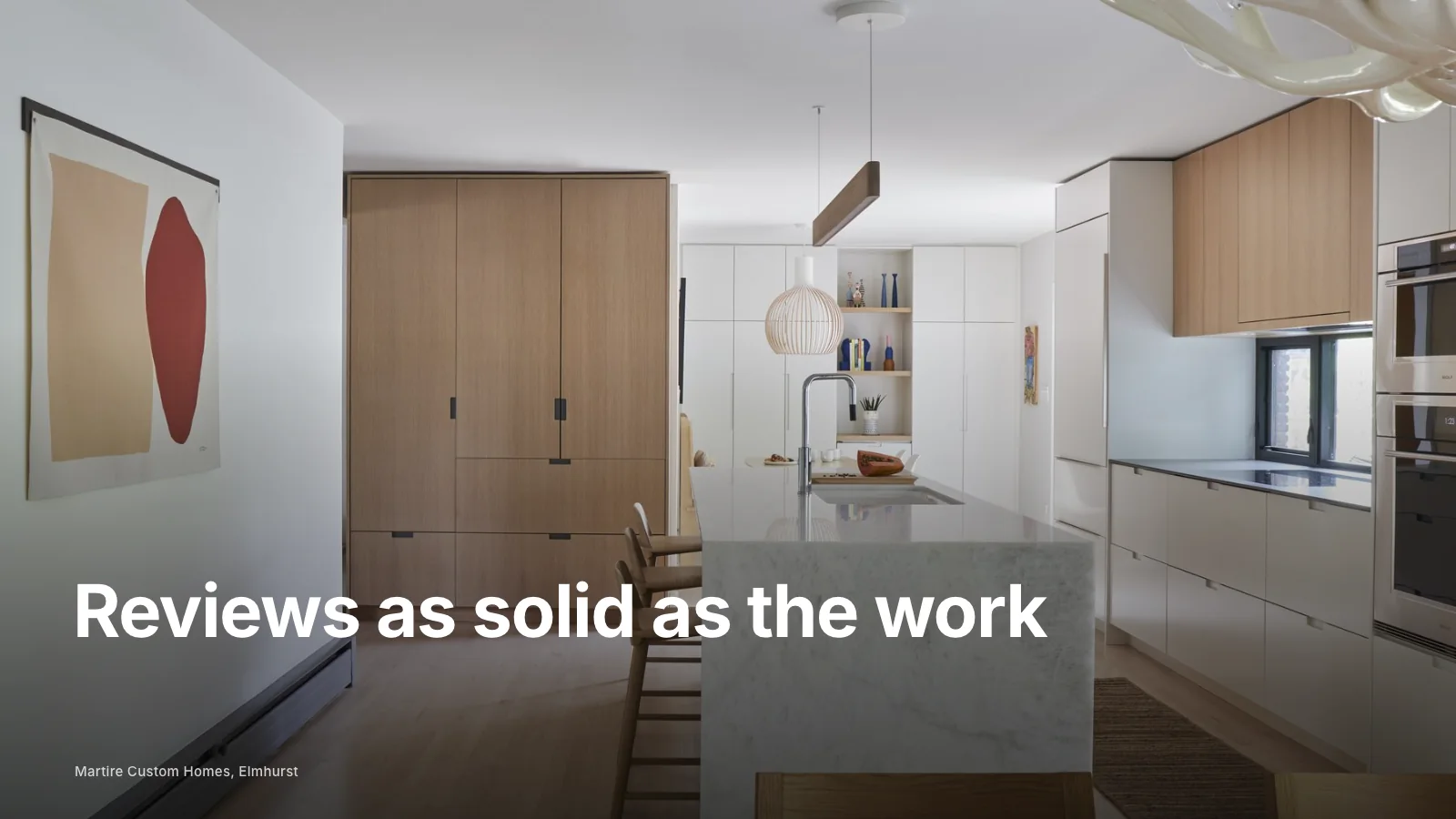
Organize projects into kitchens, baths, built-ins, closets, libraries and other categories. Each project should have professional photos, the location, the materials used and a short description of the challenge and solution. Credit designers and builders you worked with.
Make craftsmanship visible
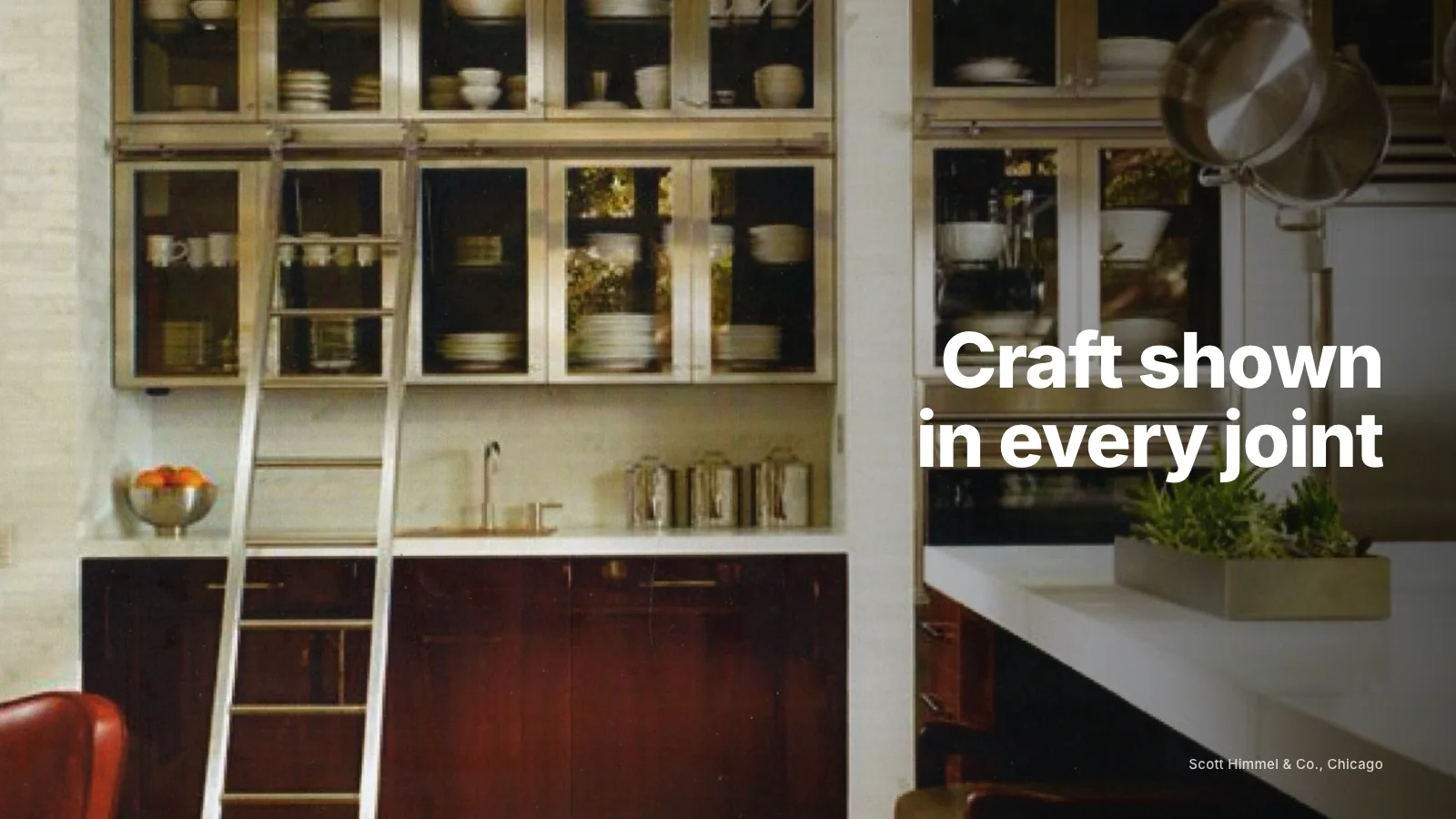
Close-up photos of dovetails, inset doors, hand-applied finishes and hardware show quality that wide shots miss. Workshop photos showing your team at work add authenticity. Describe what makes your construction different in plain language.
Explain materials
Homeowners and designers want to know about wood species, plywood versus solid wood, finishes and hardware. A materials page explaining your choices and options helps clients understand value and compare quotes fairly.
Walk through your process
Explain how projects unfold: consultation, measuring, design and drawings, approvals, building in the workshop, finishing, delivery and installation. Mention typical lead times. A clear process reassures clients about investment and timing.
Serve the trade
Many cabinet makers work closely with designers, architects and builders. A dedicated page explaining how you collaborate, what drawings you need, lead times and how you handle site coordination helps trade partners choose you. Our article on what a design build website needs offers ideas for presenting collaboration.
Reviews
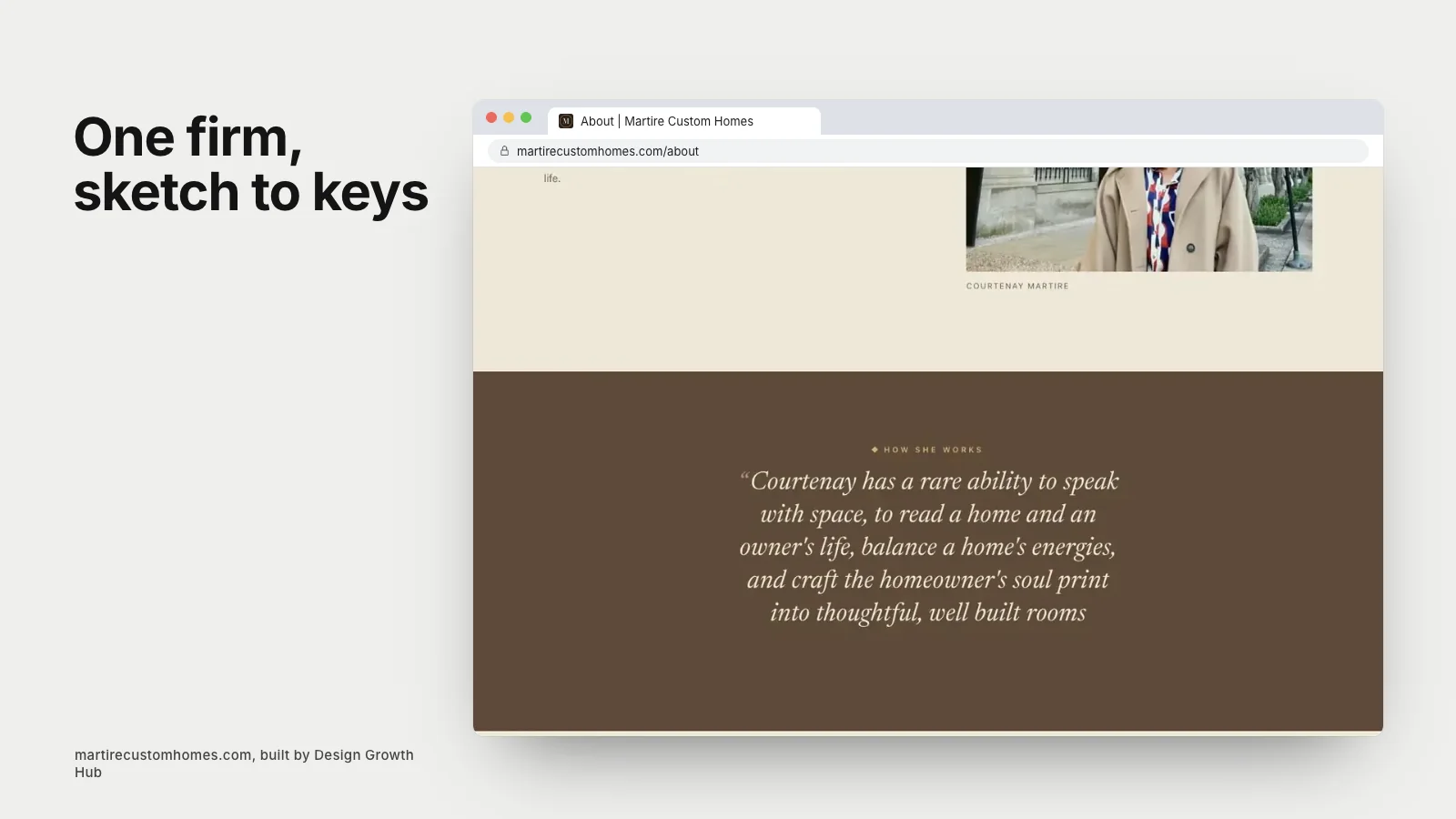
Reviews from homeowners and trade partners build trust. Display them on project and service pages and link to your Google profile. Our article on how kitchen cabinet makers earn more reviews explains how to gather them.
Service areas
State where you deliver and install. If you work across a region, describe it clearly. A complete Google Business Profile with accurate service areas supports local search.
Simple inquiries
Keep the inquiry form short: name, contact details, location, project type, timeline and a brief description. Offer to receive drawings or photos. Explain what happens next.
Content that helps
Articles on choosing cabinet styles, comparing materials or caring for finishes attract homeowners early and show expertise. They also give search engines and AI tools more to understand about your work.
Speed and photography
Cabinetry sites are image-heavy. Compress images and test on phones. Good photography deserves fast pages.
Learning from adjacent businesses
Closet companies, furniture makers and builders present similar work. Our articles on the best closet design websites, the best website builder for furniture stores, what content a construction company website needs and what a custom home builder website needs offer transferable ideas.
Platforms
Builders like Squarespace suit smaller workshops; WordPress or custom builds suit larger companies with many projects. Choose a platform you can update easily as projects are completed.
Explain the difference between custom and stock
Many homeowners do not understand how custom cabinetry differs from stock or semi-custom options. A clear, fair explanation helps them see the value: sizing to the exact space, material choices, construction quality, finishes and the ability to solve awkward layouts. Avoid disparaging other options; simply explain what custom offers and who it suits.
Show the investment honestly
Custom cabinetry is a significant investment. You do not need to publish prices, but describing what drives cost, such as wood species, construction method, finish and complexity, helps homeowners plan and filters out mismatched inquiries. Some makers share typical project ranges for kitchens or built-ins, which can save time for everyone.
Tell the story of the workshop
Homeowners and designers enjoy knowing who makes their cabinetry. A short story about how the workshop began, the people who work there and the standards they hold creates connection. Photos and short videos of the shop floor bring the story to life and make your business memorable.
Lead times and scheduling
Lead times often decide whether a project moves forward. State typical lead times clearly and update them as your schedule changes. Designers and builders appreciate reliable information they can plan around, and homeowners appreciate honesty more than optimistic promises.
Care and warranty information
Explain how to care for finishes and what your warranty covers. This reassures clients before they commit and reduces questions after installation. A simple care page also gives you something useful to send at handover.
Connecting with designers on social media
Designers often discover makers on Instagram. Share finished projects, workshop process and details, and tag the designers and builders you worked with. These posts strengthen relationships and introduce your work to their followers.
Before and after for remodels
When cabinetry is part of a remodel, before and after photos show the transformation clearly. Pair them with a short note on how the new layout improved storage, workflow or light. Homeowners planning similar projects find these comparisons especially persuasive.
Keeping it current
Add projects as they are photographed. Update lead times and services. A current site signals an active workshop.
If you would like a website that shows your craftsmanship clearly, our website creation service works with makers and design businesses. Or request a studio review to start.
Turn your website into a visibility asset
A website can be a brochure or an asset that brings clients. We help design studios build the second kind.
Request a Studio Review