To advertise an interior design business effectively, start only once your website and Google presence are ready to convert visitors, choose the platform that matches your goal, create a clear offer, send traffic to a focused landing page, target the homeowners you actually want and track inquiries and signed projects rather than clicks. Meta ads are well suited to building demand among homeowners in your area. Google Ads are better for capturing people already searching for a designer.
Here is how to plan, launch and measure a campaign without wasting budget.
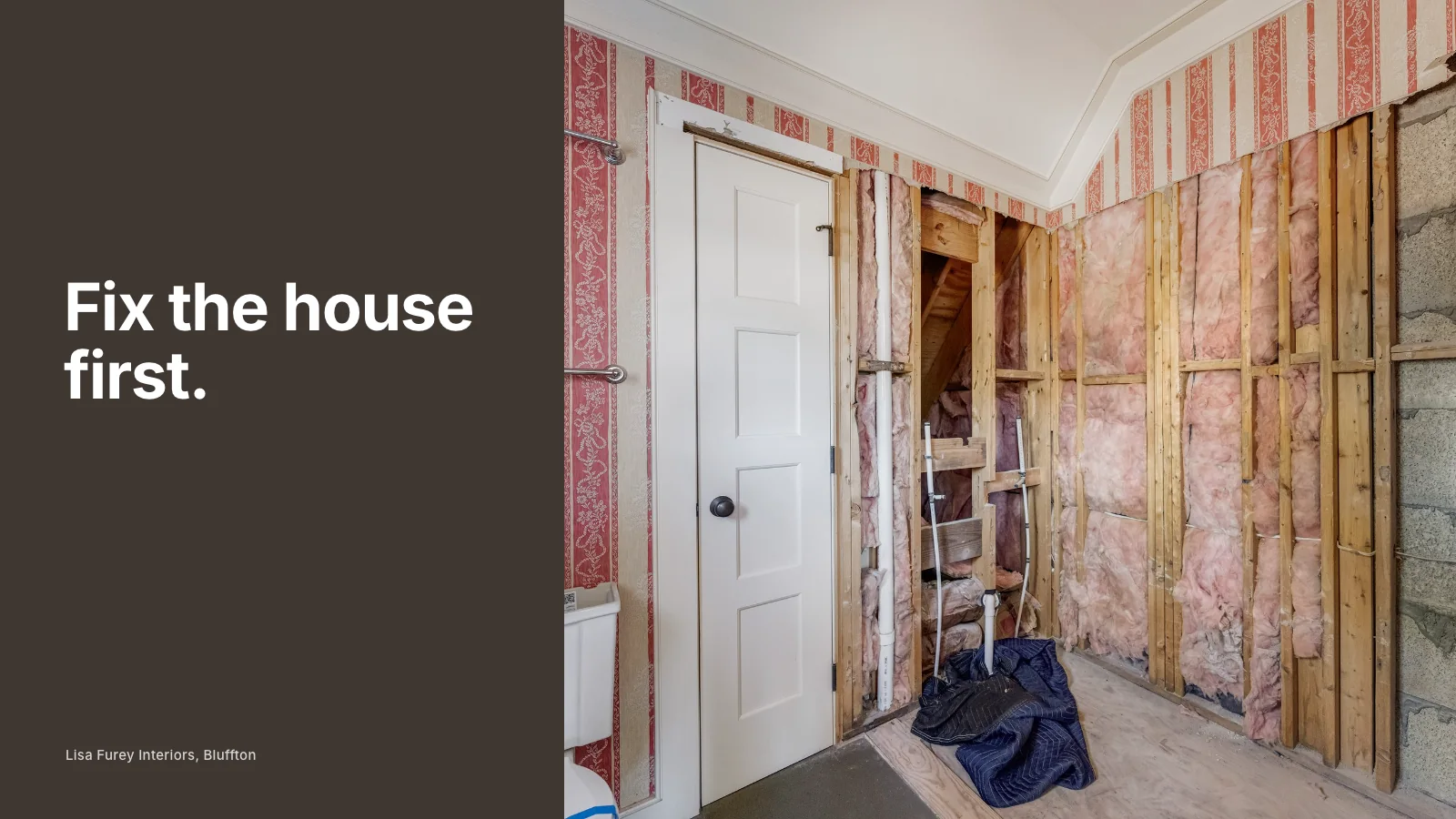
Check your foundations first
Ads send people who have never heard of you to your website. If the site is unclear, slow or lacks proof, they leave. Before spending, make sure:
- Your website clearly explains what you do and where.
- You have strong project pages with stories.
- Your Google profile is complete with recent reviews.
- Your contact form is short and works on phones.
Our article on what to fix before running ads has a full checklist.
Choose the right platform
Meta (Instagram and Facebook): best for reaching homeowners who fit your ideal client profile before they start searching. Strong for visual work and building familiarity.
Google Ads: best for people actively searching for a designer, service or project type. Higher intent, often higher cost per click.
Pinterest ads: useful for inspiration-stage audiences, especially for product-led businesses.
Many studios start with one platform and add another once the first is working.
Define a clear goal
Decide what you want the campaign to achieve. Consultation inquiries for full-service renovations? Interest in a new e-design service? Awareness in a new area? A single, clear goal shapes every other decision.
Craft an offer
An offer is the reason someone should act now. For design studios, it is usually a consultation, a studio review call or a design assessment. Keep it honest. Avoid discounts, which attract price-focused clients. Focus on what the client gains from the first conversation.
Create ads that reflect your work
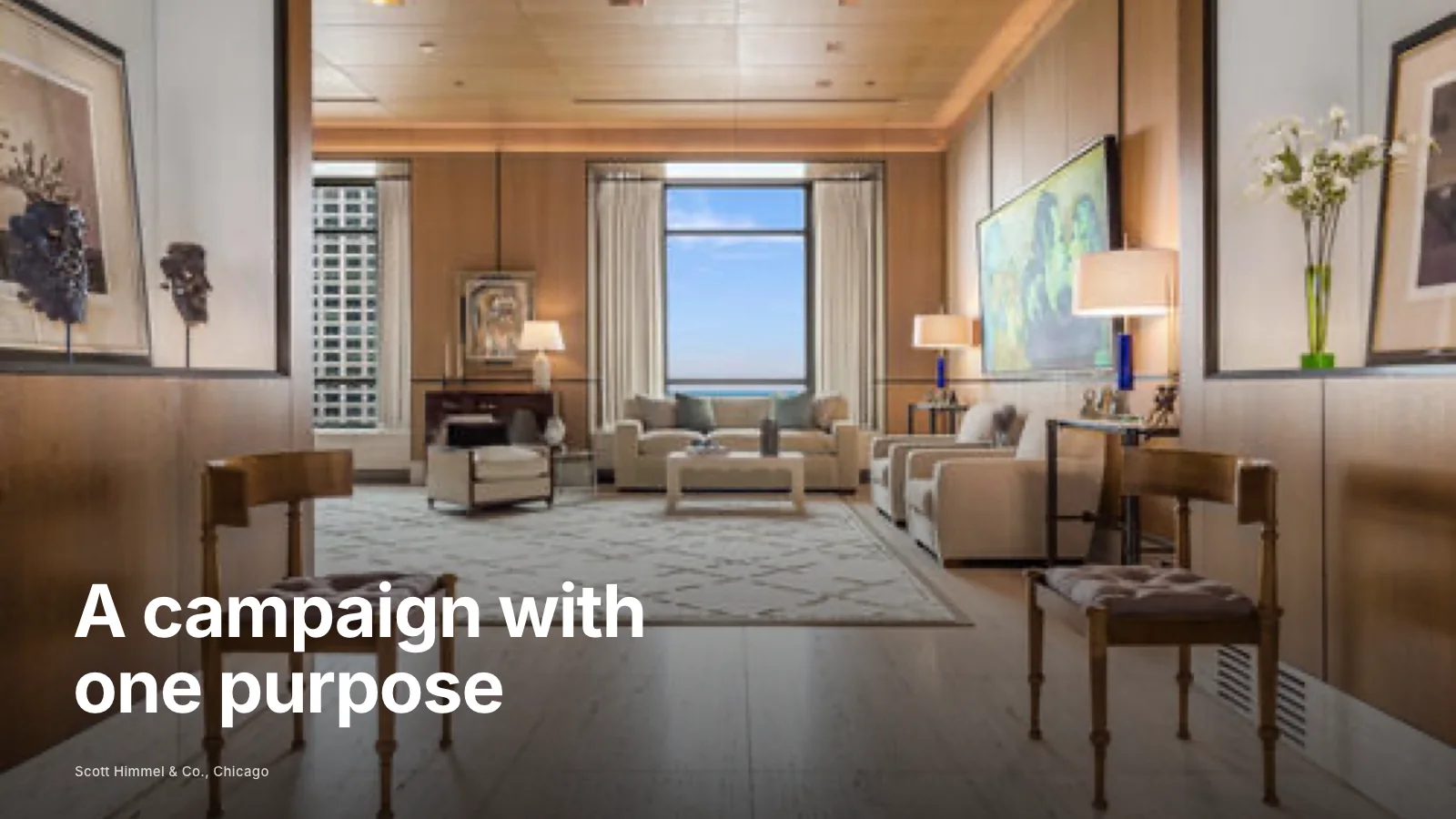
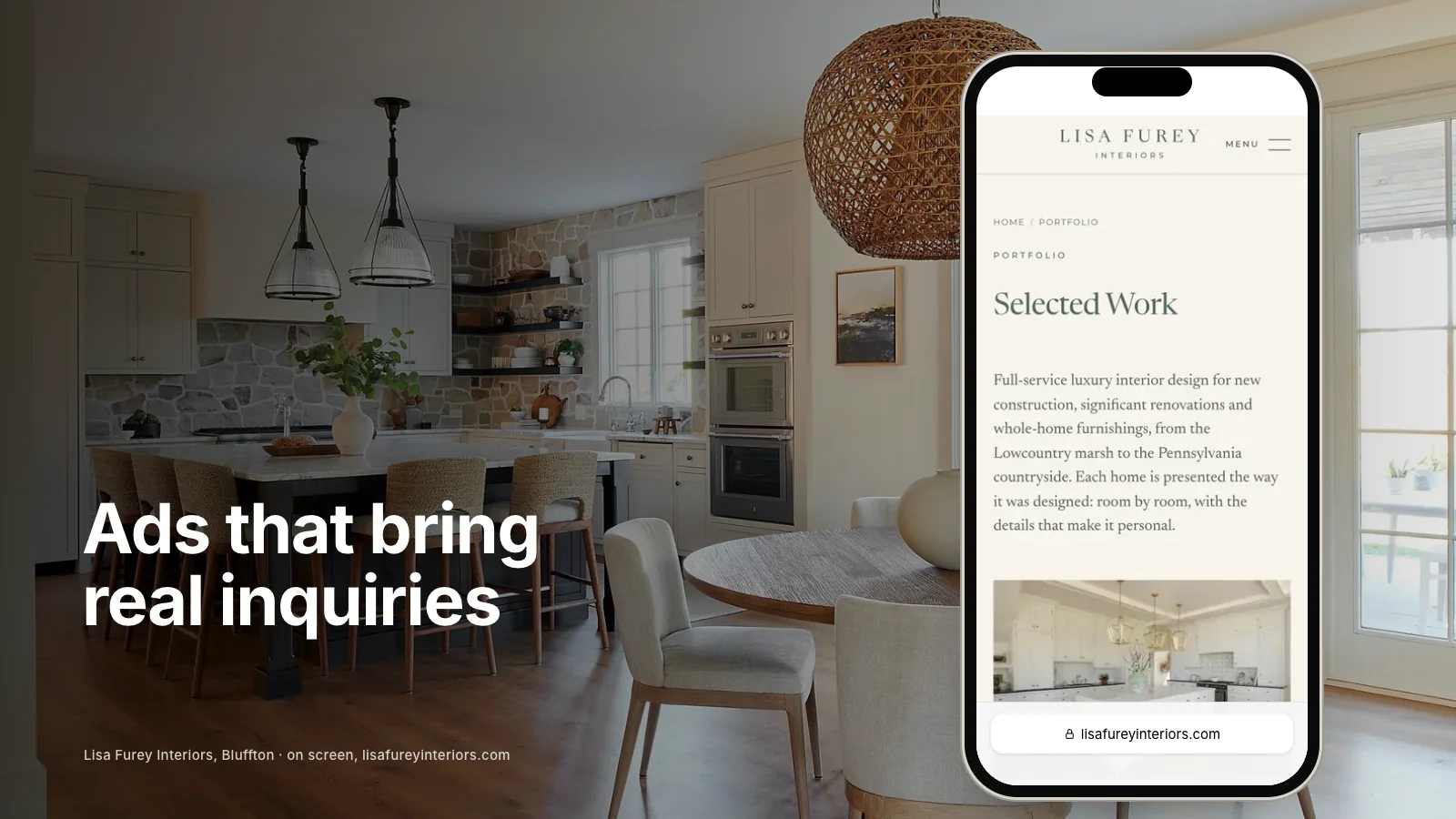
Use your best professional photography. Show the type of project you want more of. Write short, specific copy: who the ad is for, what you offer and what happens next. Test a few variations of images and headlines to see which perform better.
Send traffic to a focused landing page
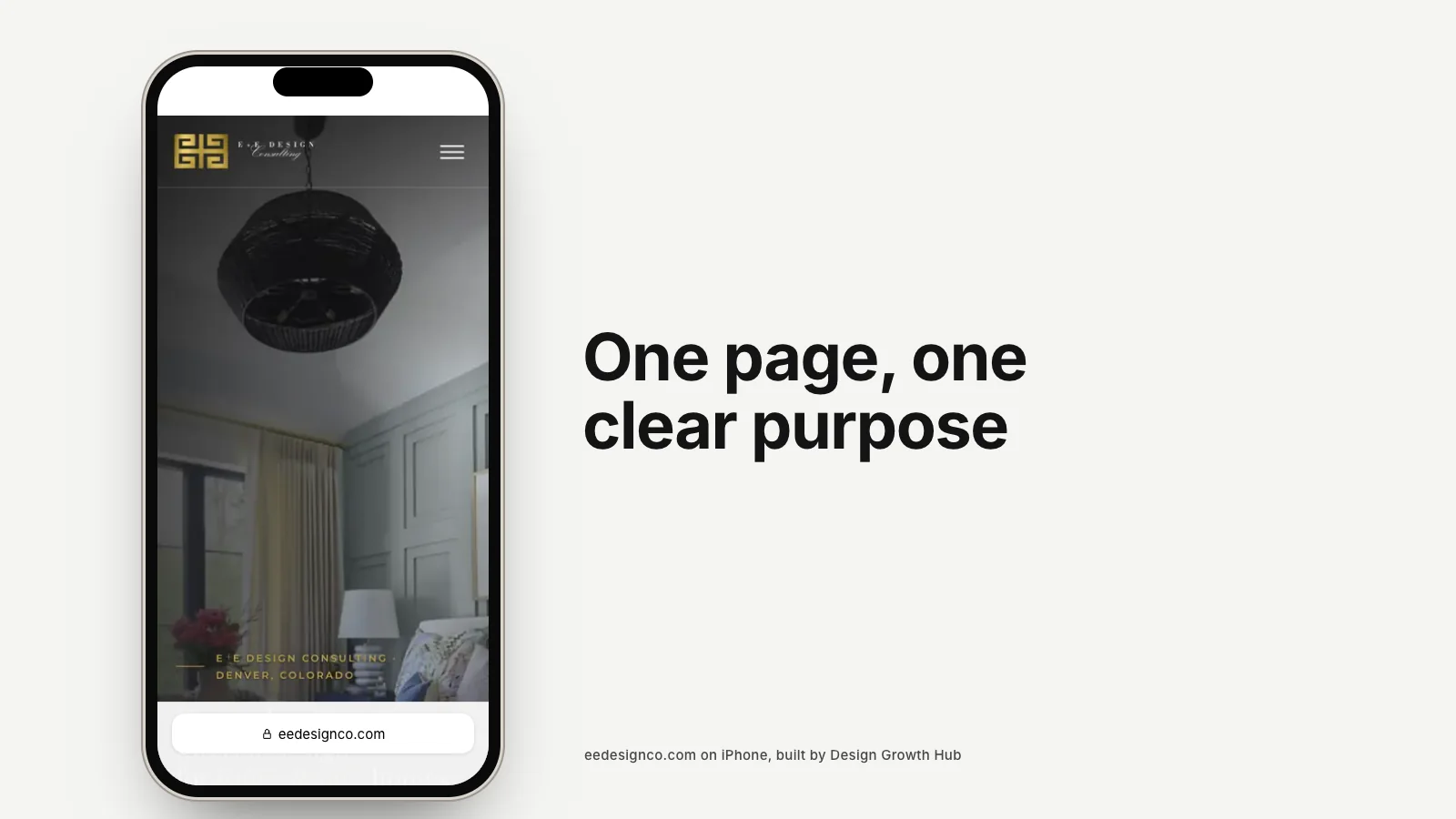
Sending ad traffic to your home page often wastes money. A landing page built for the campaign, matching the ad's message and image, with projects, proof and a short form, usually converts better. Our guide to building an interior design landing page explains how.
Target carefully
On Meta, target by location, age range, interests related to homes and design and, where possible, lookalike audiences based on past clients. On Google, choose searches carefully, use location targeting and add negative keywords to exclude irrelevant searches such as "interior design jobs" or "interior design courses".
Set a realistic budget
Start with a modest budget you can afford to test for at least a month or two. Ads need time to gather data and improve. Avoid spreading a small budget across many campaigns. Focus on one well-built campaign first.
Track what matters
Set up conversion tracking so you know which ads lead to form submissions. Record every inquiry from ads and follow it through to whether it became a project. Clicks, impressions and likes are signals, not results. Our guide to website conversion tracking explains the setup.
Optimize steadily
Review results weekly at first. Pause ads that bring clicks but no inquiries. Shift budget toward what works. Refine your landing page based on where people drop off. Small improvements compound over time.
Retargeting people who already know you
Some of the most efficient advertising reaches people who have already visited your website or engaged with your Instagram. These people know your work but have not inquired yet. A gentle reminder ad showing a relevant project and inviting them to start a conversation often costs less and converts better than reaching new audiences.
Retargeting requires tracking to be set up on your website, which should be done carefully and in line with your privacy policy. Keep frequency low so the ads feel like a reminder rather than pursuit.
Common advertising mistakes
- Running ads before the website is ready.
- Sending traffic to the home page instead of a focused page.
- Targeting too broadly.
- Using discounts as the main offer.
- Measuring success by likes or clicks.
- Stopping too early, before the campaign has enough data.
Ads and your wider marketing
Advertising works best alongside referrals, search visibility and reputation. People who see your ad will often check your Google reviews and Instagram before inquiring. Our articles on promoting your interior design business online and getting leads for an interior design business explain how ads fit into the bigger picture. For broader growth planning, see how to grow an interior design business steadily.
Know your market first
Before investing, understand your local market: who your competitors are, what they offer and how clients in your area search. Our guide to market research for an interior design business helps. And our list of marketing ideas offers lower-cost options to try alongside ads.
Getting help
If you want support, our paid advertising service builds campaigns and landing pages for design studios, with tracking that shows real inquiries. If you are not sure your foundations are ready, request a studio review first and we will tell you honestly whether to start now or wait. Also make sure your contact page is not costing you the clients your ads attract.
Make your studio easier to find
When the right clients search, clarity is what brings them to you. Let us look at the structure behind how you are found.
Request a Studio Review