A design business builds a brand online by being clear about who it serves and what it stands for, expressing that clearly through a consistent visual identity and voice, backing it with proof such as projects, reviews and press and repeating that experience everywhere people meet the business: website, social media, Google profile, email and in person. A brand is not a logo. It is the impression people carry after encountering your work, and it is built through steady, consistent habits over time.
Here is how design businesses, from interior studios to builders and showrooms, can build a brand that lasts.
Start with positioning
Positioning answers three questions: who you serve, what you do for them and why you are different. A design-build firm focused on renovating older homes in a particular region has a clearer brand than one offering "quality design and construction." Clear positioning gives every other brand decision a direction.
Write a single sentence that captures your positioning, and test it against your best projects. If the sentence describes the work you are proudest of, it is probably right.
Define what you stand for
Beyond services, strong brands stand for something: craftsmanship, calm communication, sustainability, timeless design, local heritage. Choose one or two values that genuinely guide your work. They become themes in your content, the stories you tell and the way you treat clients.
Create a visual identity
A visual identity includes your logo, typography, color palette and photography style. It should feel connected to your work and the clients you serve. A studio known for warm, layered interiors might use soft colors and a refined serif; a modern builder might use crisp type and strong contrast. Our article on brand guidelines for your website and socials explains how to document these choices.
Develop a voice
How you write and speak is part of your brand. Warm and personal, calm and authoritative, precise and technical: choose a voice that matches how you actually talk with clients. Use it consistently in website copy, captions, emails and proposals. Specific, honest language builds more trust than superlatives.
Show proof
A brand promise means little without evidence. Project stories, reviews, press features, awards and collaborations turn a brand into a reputation. Present proof calmly and consistently across your channels.
Be consistent everywhere
People encounter your brand in many places: search results, your Google profile, Instagram, email, your website, proposals and in-person meetings. When the look, tone and message are consistent, recognition builds quickly. When they differ, the brand feels fragmented. Consistent business details also help search engines and AI tools connect information about you, as explained in how design-build firms can win Google and AI search.
Build the website around the brand
Your website is where your brand is experienced most fully. Every page should reflect your positioning, identity and voice. Our article on web marketing for design businesses explains why the website is the hub of everything else.
Tell stories
Stories make brands memorable. Share the story of how your business began, the people behind it, memorable projects and the makers or partners you work with. Stories give people something to remember and repeat.
Promote consistently
Brands grow through repeated, consistent exposure. Our article on promoting a design business online explains how to stay visible without spreading yourself thin. Online retailers face particular challenges, discussed in marketing an online furniture business.
Protect the experience
The brand is also the experience clients have working with you: how quickly you respond, how organized your process feels and how problems are handled. A beautiful identity cannot compensate for a frustrating experience. Every interaction either builds or erodes the brand.
Evolve carefully
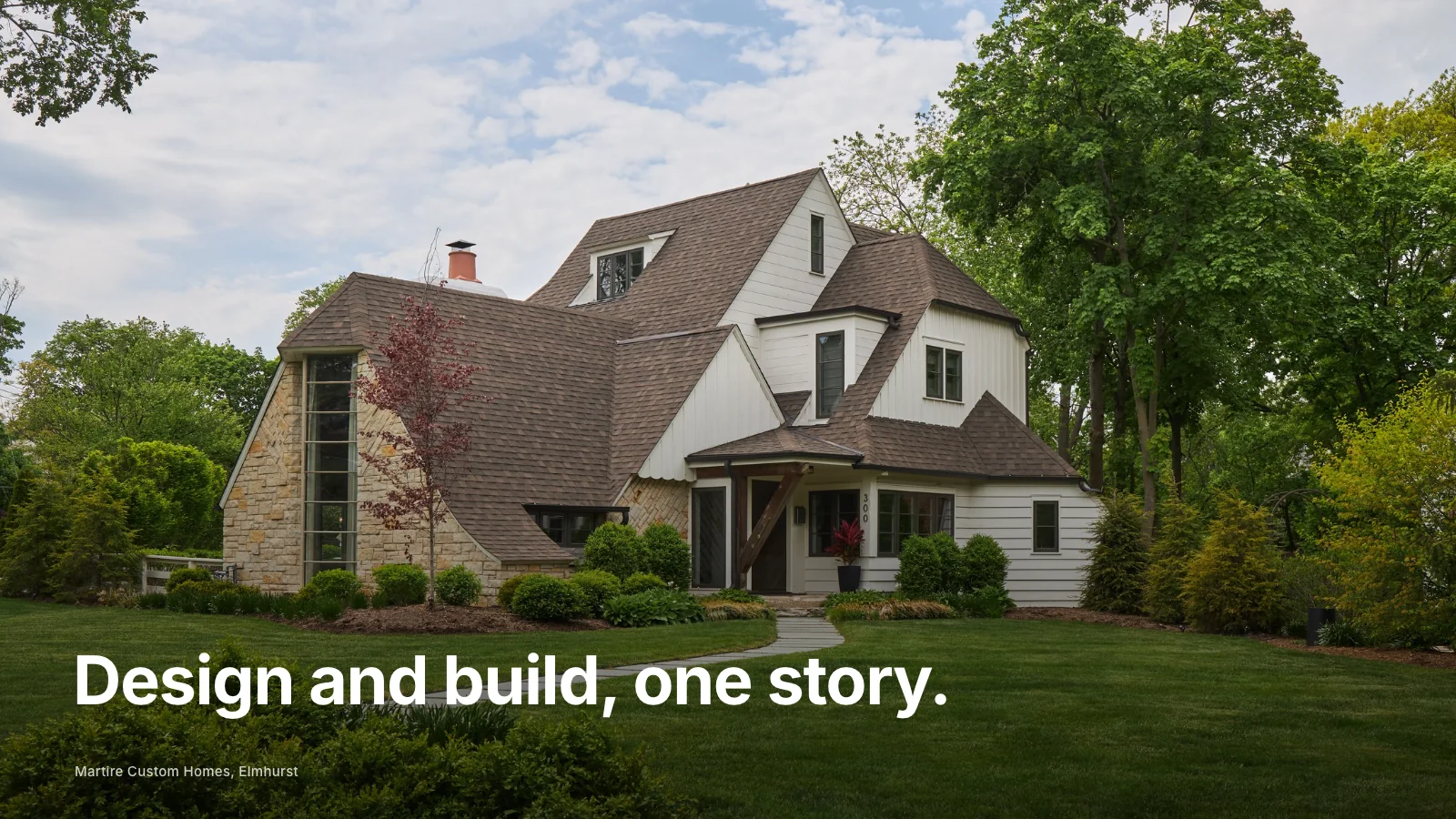
Brands can evolve as businesses grow, but frequent changes confuse people. Refresh thoughtfully, keeping what people recognize while updating what no longer fits. Martire Custom Homes, for example, introduced a new monogram and logo suite and then built a new website on a new domain, bringing identity and online presence forward together. You can see it in the Martire Custom Homes case study.
Make the brand visible in small details
Brands live in details: the way a proposal is formatted, the tone of an email reply, the photography on a Google profile, the packaging of a sample, the signage on a job site. Each detail either reinforces or weakens the impression people have. Make a short list of every place clients encounter your business and check that each one feels like the same company.
Let clients tell the story
Clients describe your brand to others in their own words. Listen to how they talk about you in reviews and referrals. If they consistently mention calm communication or beautiful craftsmanship, that is your brand in practice. Use their language on your website and in your marketing, because it reflects what people actually value.
Measure brand strength
Brand strength is harder to measure than clicks, but signs include more people searching your name directly, more referrals mentioning your reputation, inquiries that already understand what you do and partners who seek you out. Watch these over time. Our article on growing a design business steadily explains how brand supports growth.
If you would like help expressing your brand clearly online, our website creation service brings identity and website together for design businesses. Or request a studio review to start.
Start with a Google + AI visibility audit
Before changing anything, it helps to see clearly. A visibility audit shows exactly where your studio is easy, or hard, to understand.
Request a Studio Review