A furniture product marketing strategy for makers starts with clear positioning, then tells the story of how and why each piece is made, supports it with excellent photography and detailed specifications, reaches buyers through the right mix of direct sales, interior designers and showrooms and stays visible through a strong website, helpful content, social media and press. Makers compete with mass-produced furniture not on price but on craft, materials, design and the story behind every piece.
Here is how to build a marketing strategy around your work.
Position your work clearly
What makes your furniture different? It might be materials, such as reclaimed or locally sourced wood, techniques, design language, sustainability, customization or heritage. Define your position in a sentence and let it guide every product description, photo and post.
Tell product stories
Every piece has a story: where the wood came from, how a joint is cut, why a chair is shaped the way it is, how long a piece takes to make. Stories help buyers understand value and form an emotional connection. Share them on product pages, social media and in conversations with designers and showrooms.
Invest in photography
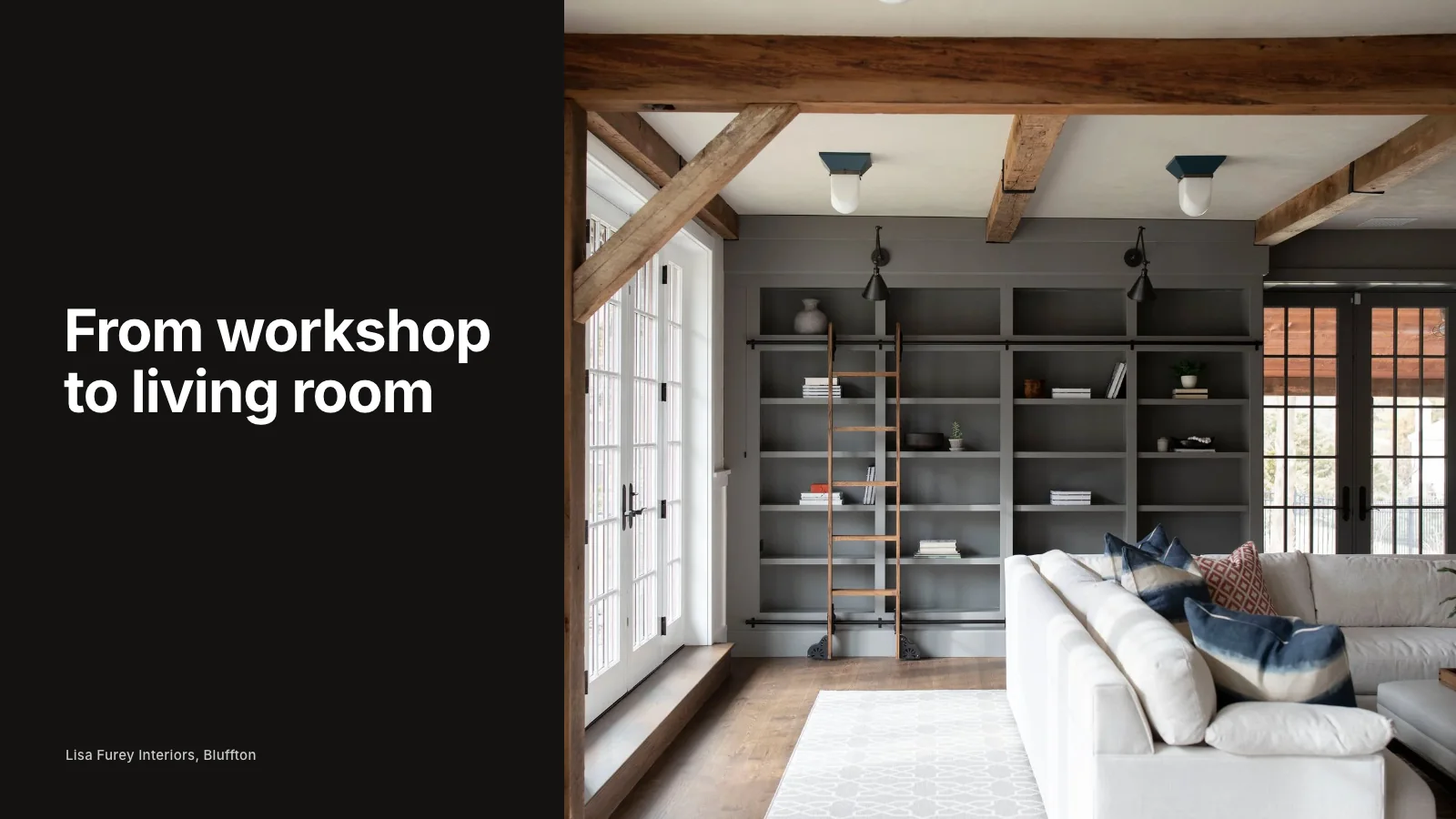
Furniture is bought visually, especially online. Photograph each piece from multiple angles, in detail and in styled rooms that show scale and context. Consistent, accurate photography makes your catalog feel professional and helps designers present your work to their clients.
Provide complete specifications
Designers and buyers need dimensions, materials, finishes, lead times, care instructions and pricing or price ranges. Clear specification sheets, downloadable from your website, make it easy for designers to specify your work.
Choose your channels
Makers typically sell through a mix of channels:
- Direct to customers: through your website and studio.
- Interior designers: who specify pieces for clients, often through a trade program.
- Showrooms and retailers: who display and sell your work.
- Custom commissions: pieces made for specific clients or projects.
Each channel needs different support. Designers want specs and samples; showrooms want reliable supply and marketing materials; direct customers want inspiration and confidence.
Build designer relationships
Interior designers can bring steady orders and introduce your work to clients who value craft. A trade program with designer pricing, quick quotes, samples and clear lead times makes working with you easy. Share new pieces with designers directly and feature their projects that include your work.
Work with showrooms
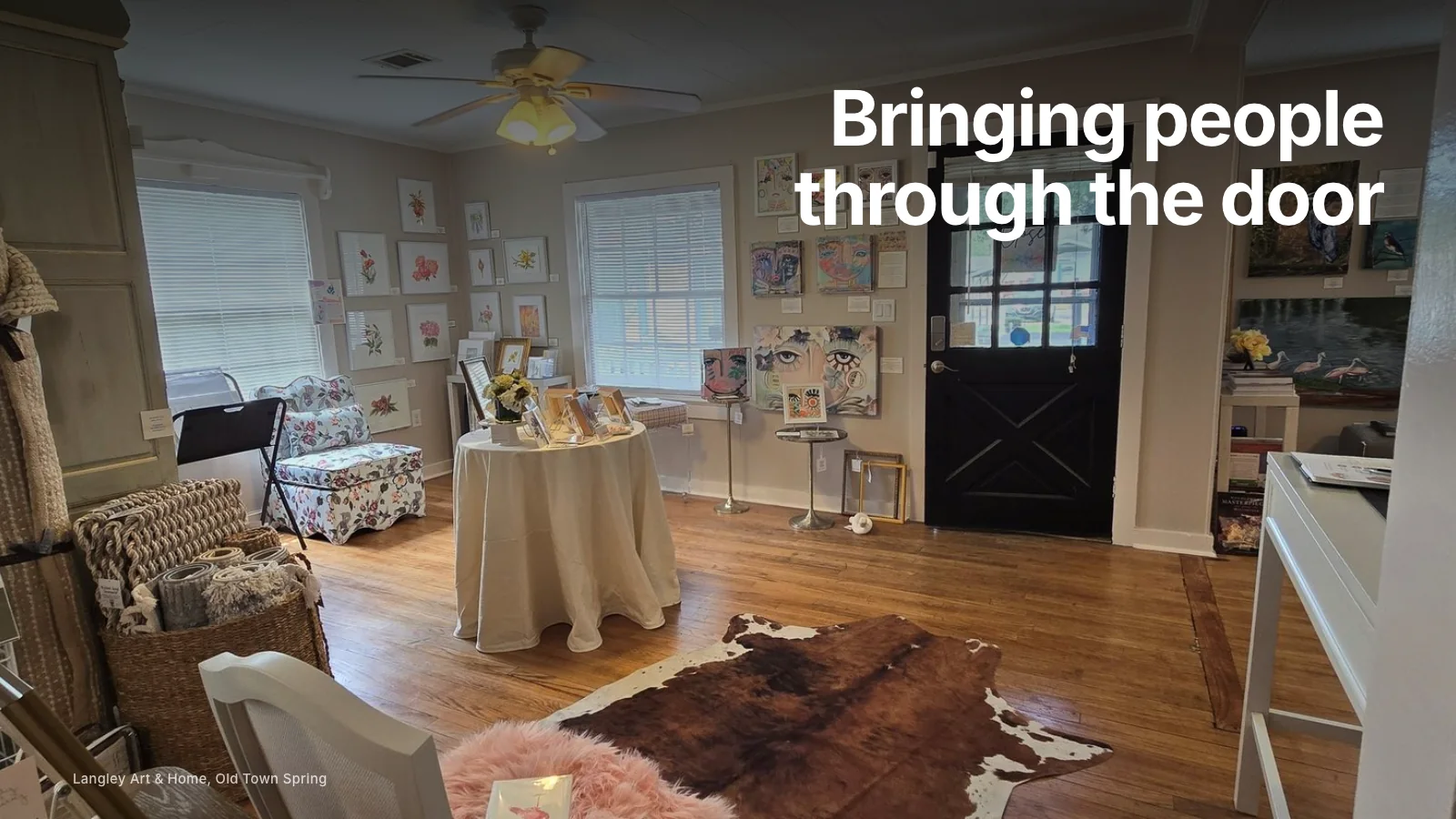
Showrooms extend your reach to customers who want to see and touch furniture. Choose showrooms that fit your positioning, support them with photography and product information and keep them updated about new pieces. Our article on furniture store marketing ideas explains how showrooms market, which helps you understand what they need from makers.
Build a strong website
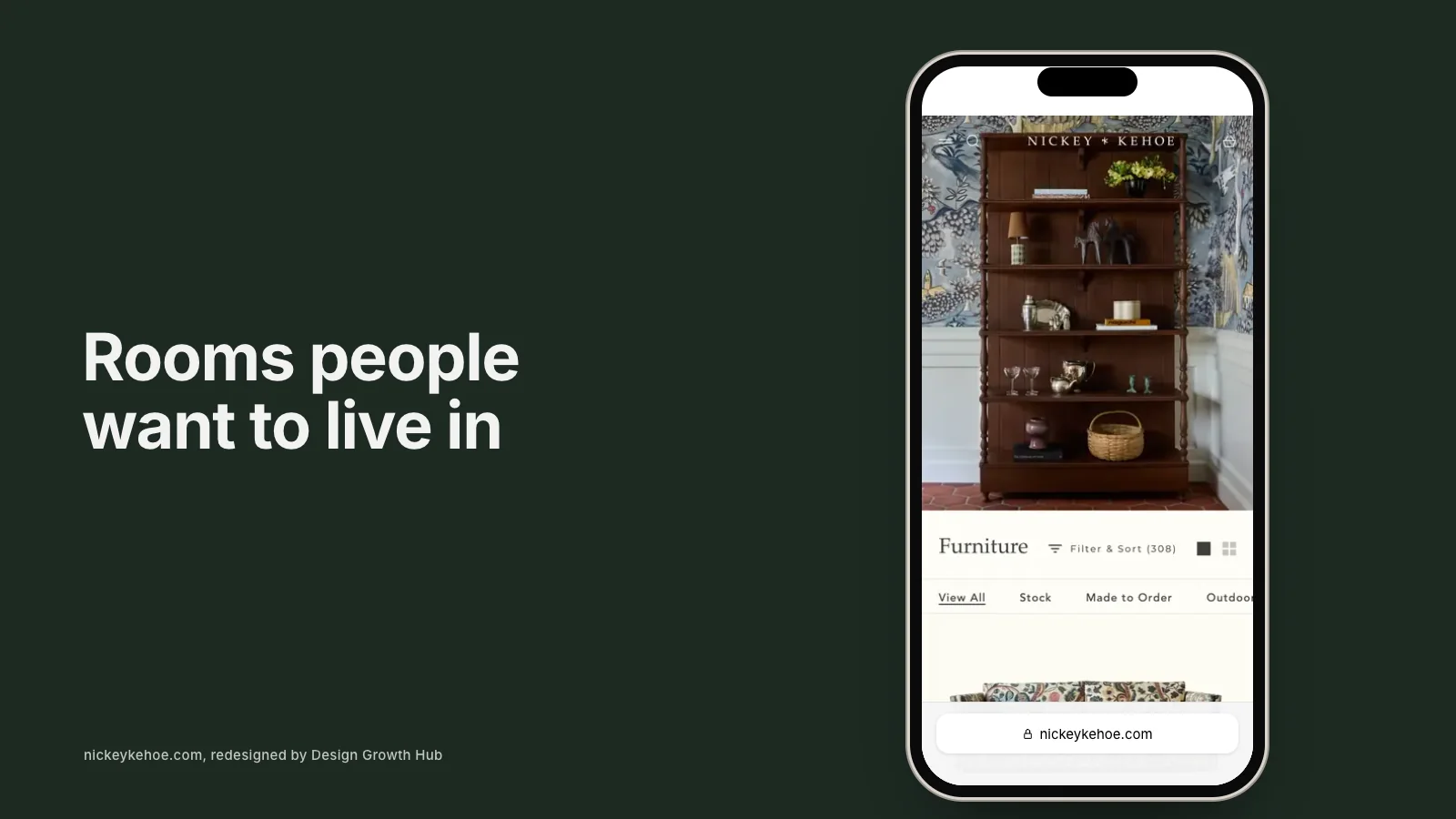
Your website should present your collection beautifully, tell your story, explain materials and process, support designers with a trade page and make buying or inquiring easy. Our article on web marketing for design businesses explains why the website is the hub of your marketing.
Sell online thoughtfully
If you sell directly online, detailed product pages, clear lead times, honest delivery information and swatches or finish samples reduce hesitation. Our article on marketing an online furniture business covers online selling in depth.
Use social media for process and craft
Instagram and Pinterest suit makers well. Share workshop process, materials, details and finished pieces in homes. Process content builds appreciation for craft and differentiates you from mass-market brands. Our article on social media marketing for furniture stores offers related ideas.
Seek press and recognition
Design publications, craft fairs, design shows and awards introduce your work to new audiences and add credibility. Prepare a simple press kit with your story, high-resolution images and contact details.
Content and AI visibility
Helpful articles about materials, care and design decisions attract buyers and designers searching for information. Clear, consistent information about your work also helps AI tools describe your business accurately. Our article on how AI search changes marketing explains why this matters. For a longer-term view of strategy, see a marketing strategy that compounds.
Pricing and positioning together
Pricing communicates as much as words. Prices that are too low can undermine a story of craft and quality, while prices without explanation can feel arbitrary. Explain what goes into a piece: materials, hours of work, techniques and finishing. Buyers who understand the making are far more comfortable with the price.
Limited runs and new releases
Introducing new pieces or limited runs gives you reasons to reach out to designers, showrooms, press and customers. A steady rhythm of releases, even small ones, keeps your work fresh and gives your marketing something new to say. Announce releases with strong photography and the story behind each piece.
Learning from your best customers
Look at who buys your work most often and why. Are they designers furnishing high-end homes, collectors, young families or hospitality projects? Understanding your best customers helps you decide where to focus marketing and which channels deserve more attention.
Measure and adjust
Track sales and inquiries by channel, note which pieces sell best and where, and follow which designers and showrooms bring the most business. Adjust your focus accordingly.
If you would like help building a website that presents your work and supports designers and buyers, our Google and AI visibility services and website work support makers. Or request a studio review to start.
See how Google + AI understand your studio
A beautiful portfolio matters. But if search engines and AI tools cannot connect your studio to the right searches, better-fit clients may never reach your website.
Request a Studio Review