Social media marketing works for furniture stores when it shows pieces in rooms people want to live in, shares the stories behind collections, celebrates customers' homes, announces new arrivals and makes it easy to find products online or visit the showroom. Instagram, Pinterest and Facebook suit furniture well, with short videos increasingly important. Combined with local targeting and links to your catalog, social media can bring a steady flow of shoppers through the door.
Here is how to plan social content for a furniture store or showroom.
Show rooms, not just products
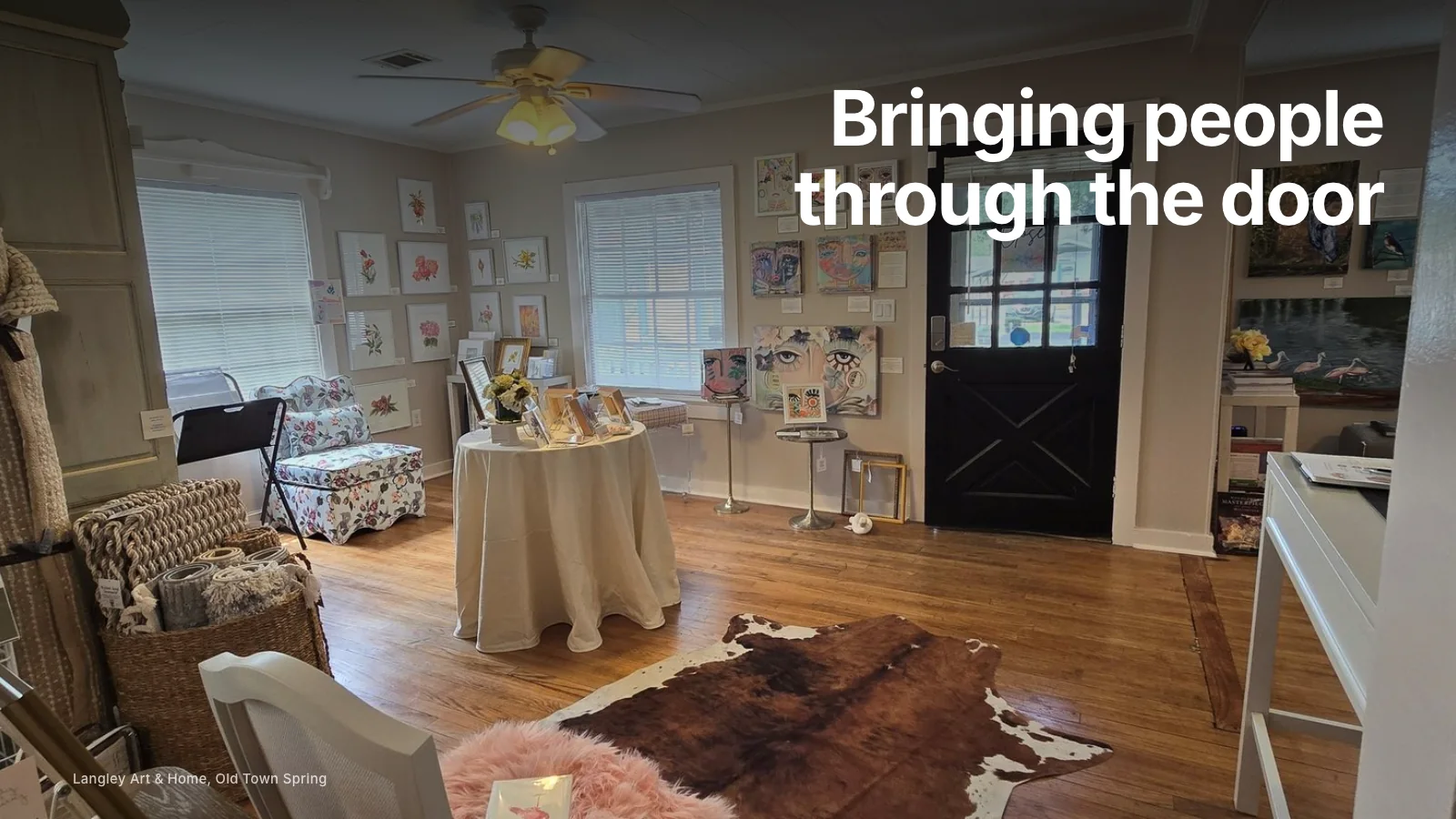
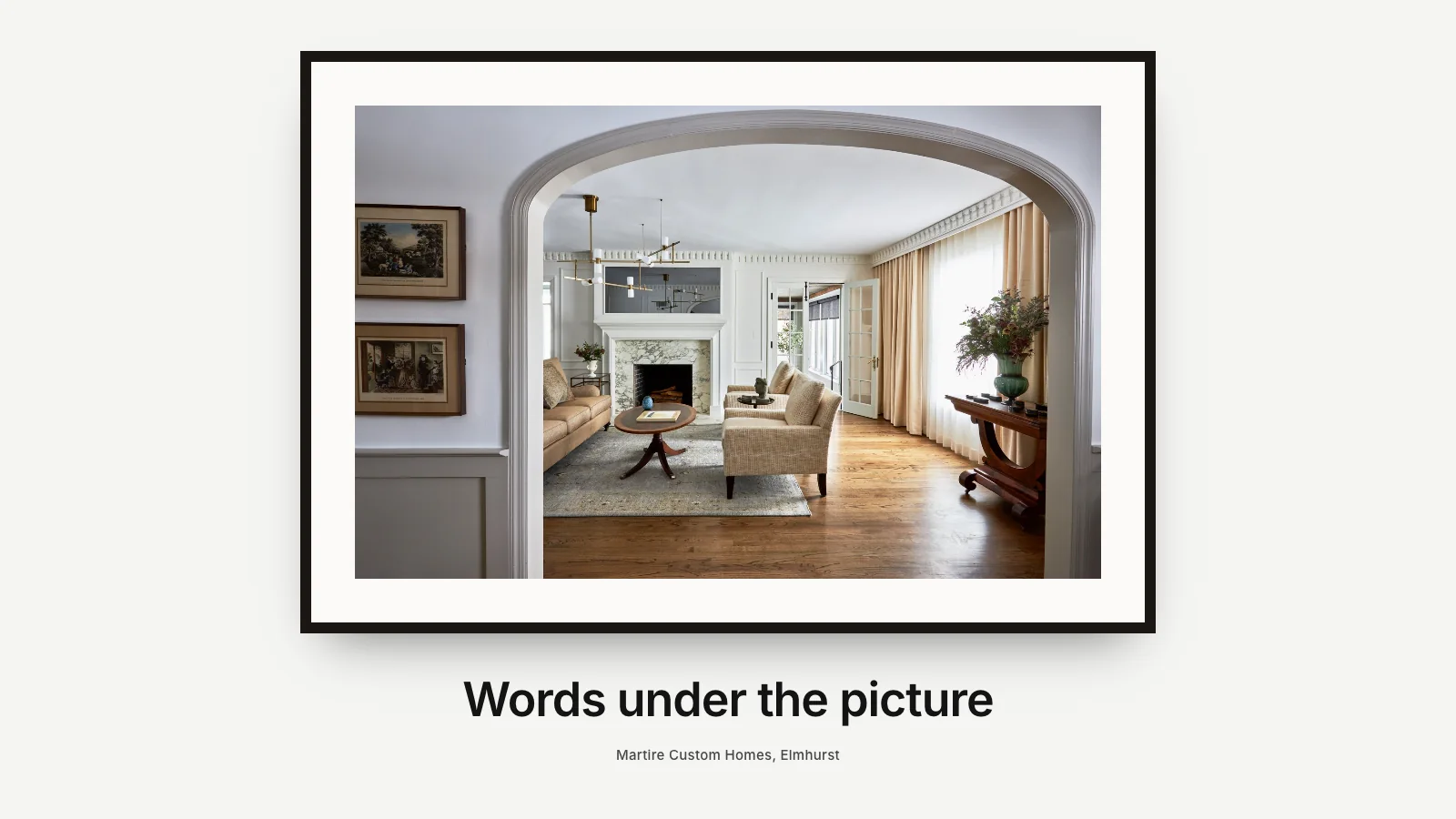
Product photos on white backgrounds belong on product pages. Social media is for inspiration. Share styled room settings from your showroom, complete with lighting, rugs and accessories, so followers can picture the pieces at home. Change settings seasonally and photograph each new arrangement.
When a post features several items, link each one to its product page so interested followers can learn more.
Share customer homes
Few things persuade shoppers like seeing pieces in real homes. With permission, share photos customers send of their rooms, or arrange to photograph standout deliveries. Credit customers if they wish and tell a short story about how they chose their pieces. Customer homes show your furniture in natural light and real proportions.
Announce new arrivals
New collections and restocked favorites give followers reasons to visit. Short posts or stories announcing arrivals, with a few styling ideas, create urgency without discounting.
Tell maker stories
Many furniture shoppers care where pieces come from. Share stories about the workshops, designers and craftspeople behind your collections: how a chair is upholstered, how a table is finished, why a fabric was chosen. Stories build value and differentiate your store from anonymous online retailers.
Use short video
Short videos are now central on most platforms. Simple formats work well: a slow pan across a styled room, a close look at fabric texture, a staff member explaining a piece, a quick tour of a new collection. Keep videos natural and add captions for viewers watching without sound.
Introduce your team
Show the people who help customers: designers, salespeople, delivery teams. A familiar face makes visiting the showroom feel more welcoming.
Share styling tips
Practical tips, such as how to choose a rug size, how to mix fabrics or how to arrange a living room, attract followers and position your team as helpful experts. Base tips on real questions customers ask.
Pinterest for long-lasting reach
Pinterest works more like a search engine than a social network. Pins of room settings and products can bring visitors for months. Describe pins clearly and link to product or collection pages.
Local reach
For showrooms, local followers matter most. Use location tags, engage with local designers and businesses and consider modest paid promotion targeted to your area. Boosting a post about a new collection or event to nearby homeowners can bring visits.
Events on social media
Promote showroom events, such as designer talks, collection launches or styling workshops, on social media, then share photos afterward. Events create content and give people reasons to visit.
Captions that help
Captions should explain what is shown, mention key pieces and invite people to visit or shop. Keep them readable. Our guide to writing captions for social media offers structures that translate well from design studios to furniture stores.
Posting rhythm
Consistency matters more than volume. A few posts a week, plus stories, is sustainable for most stores. Plan content around new arrivals, seasons and events. If time is short, consider help; our article on whether to hire a social media manager weighs the decision.
Trends to follow carefully
Follow trends that suit your brand, such as calm room tours or before and after room refreshes, and skip those that clash. Our article on social media trends worth your time offers perspective.
Social media and search
Social builds familiarity; search captures people ready to shop. Both matter. Our article on social media versus Google search explains how they work together. For broader marketing ideas, see furniture store marketing ideas, and for parallels in another trade, social media for remodeling contractors.
Linking to your website
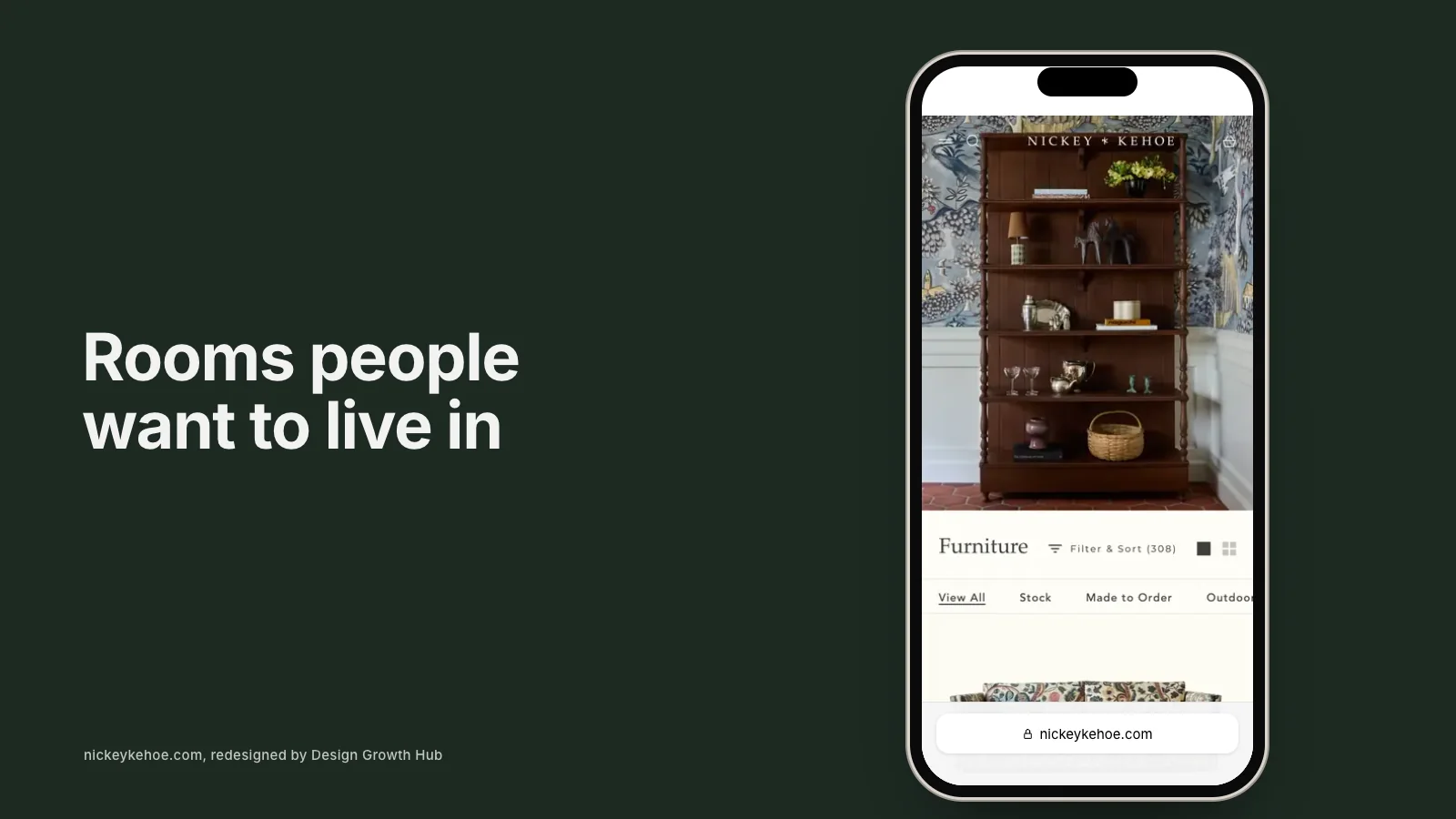
Make sure your bio link, product tags and stories lead to relevant pages on your website, such as a collection or product page, rather than only the home page. A website that matches the inspiration of your social content turns interest into visits and purchases.
Answer questions in public
Followers often ask about dimensions, fabrics, prices and availability in comments. Answer promptly and helpfully. Others see the answers, and a quick, friendly reply shows the kind of service shoppers can expect in the showroom. Common questions can become their own posts or short videos.
Seasonal storytelling
Plan content around the seasons: outdoor living in spring, gatherings and dining before the holidays, cozy reading corners in winter. Seasonal stories feel timely and give shoppers reasons to visit now rather than someday.
Measuring what works
Track which posts lead to profile visits, website clicks, messages and showroom visits. Ask customers whether they saw something on social media. Focus on content that brings people in.
If you would like help building a website that turns social attention into showroom visits and sales, our Google search services and website work support design retailers. Or request a studio review to start.
See how Google + AI understand your studio
A beautiful portfolio matters. But if search engines and AI tools cannot connect your studio to the right searches, better-fit clients may never reach your website.
Request a Studio Review