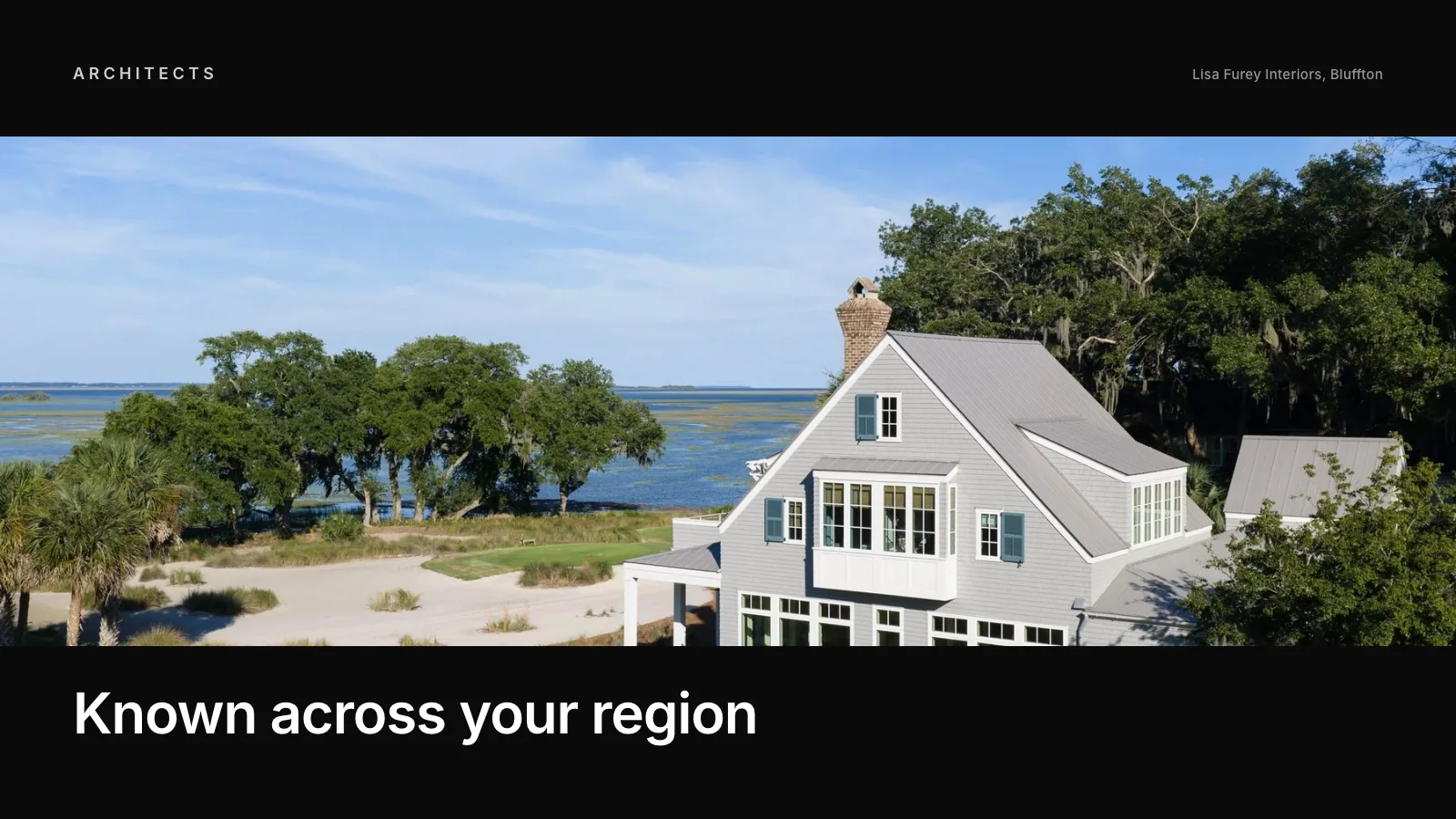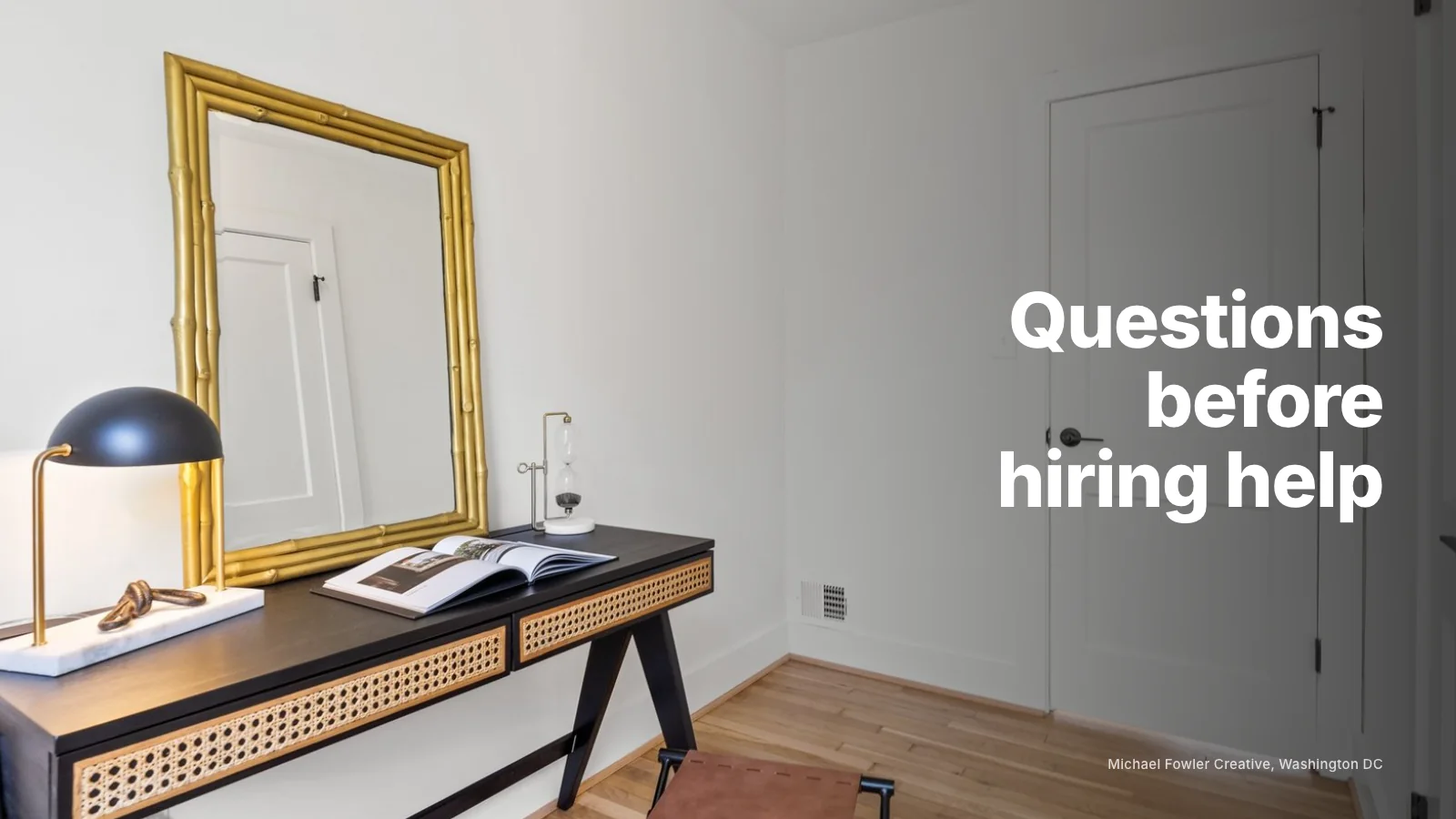
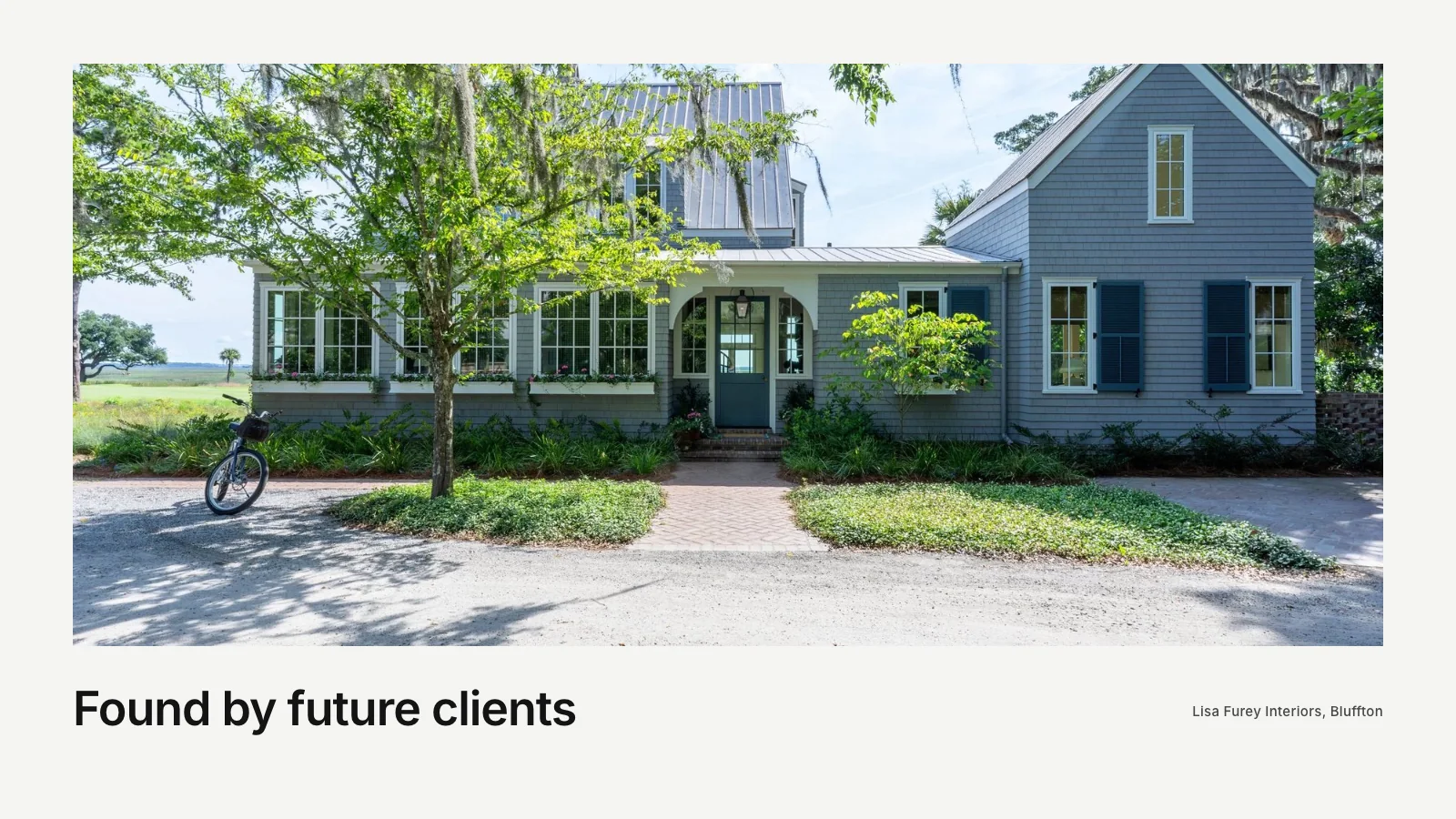
SEO for architects helps future clients find your practice when they search by project type and location, such as "modern residential architect in Austin" or "architect for historic renovation near me." The foundations are clear service pages, detailed project pages with facts and narratives, a complete Google Business Profile, consistent business details across the web, credible links from publications, associations and collaborators and a fast, well-structured website. These same foundations help AI tools describe and recommend your practice accurately.
Here is a practical guide.
How clients search for architects
Clients rarely search for an architecture firm by name until they have heard of it. They search for what they need: "residential architect", "home addition architect", "sustainable architect", "architect near me", combined with a place. Developers and institutions may search for building types and expertise. Understanding these patterns shapes the pages you need. Our article on SEO keywords for architects explains how to find them.
Service pages
Create pages for your core services or project types: new homes, renovations and additions, historic restoration, multifamily, commercial or institutional work. Each page should explain the service, your approach and process and link to related projects. Separate pages match separate searches far better than one general page.
Project pages
Project pages are architects' strongest SEO asset. Each should have a descriptive title with project type and location, a narrative explaining the brief and design, project facts, drawings, photography with descriptive alt text and credits. Detailed pages give search engines specific evidence of your expertise and help clients find relevant work.
Location signals
Mention the regions you serve on your home, about and service pages. If you work across several areas, consider location pages describing your work and projects there. Name project locations where clients agree.
Google Business Profile
A complete profile with accurate categories, services, photos and reviews helps you appear in local searches and map results. Keep business details identical to your website.
Publications and links
Links from respected sources, such as design publications, professional associations, award programs, universities and collaborators, signal credibility. Present publications on your website with links, and ask collaborators to credit you with a link on joint projects.
Technical basics
Architecture websites are image-heavy. Compress images, load them as visitors scroll and test speed on phones. Make sure each page has a unique title and description, clean addresses and clear headings. Connect Google Search Console to monitor indexing and errors.
Content that answers questions
Articles about the process of building a home, working with an architect, renovation challenges or sustainable design attract clients early in their research. Write from experience and link to related services and projects.
AI search
Clients increasingly ask AI tools for architect recommendations. These tools summarize websites, profiles, publications and reviews. Clear positioning, detailed project pages and consistent business details make it more likely your practice is described accurately.
Local SEO
For practices serving a region, local SEO matters most. Our article on local SEO for architects covers Google profiles, location pages and local links in depth.
Working with interior designers
Many architects collaborate with interior designers, and joint projects can strengthen both firms' visibility. Our article on SEO for interior designers and architects who collaborate explains how.
Choosing help
Some architects manage SEO themselves; others hire specialists. Our article on choosing an SEO company for architects lists questions to ask. Freelance architects may find website design for freelance architects useful, and combined practices one website for architecture and interiors.
Internal links between projects, services and people
Link each project page to the related service page and to the people who led it, and link service pages to their best projects. These links help visitors explore and help search engines understand how your pages relate. A well-linked site makes your expertise easier to recognize.
Image names and alt text
Architecture websites contain hundreds of images. Give important images descriptive file names and alt text that describe what they show, such as "living room with timber ceiling overlooking the valley." This improves accessibility and adds context that helps search engines and AI tools understand your work.
Keeping business details consistent
Your firm name, address, phone number and website should match exactly across your website, Google profile, professional association listings and directories. Inconsistent details confuse search engines and can weaken local visibility.
Avoiding thin pages
Pages created only to target a keyword, with little useful content, rarely help and can weaken a site. Every page should be genuinely useful to a visitor. If a location or service page cannot say something specific, it may be better to combine it with another page.
Reviews still matter
Even for architects, Google reviews from past clients support local visibility and reassure people comparing firms. Ask satisfied clients at the end of projects and respond thoughtfully.
How long it takes
Google profile improvements can help within weeks. Broader visibility from new pages, links and content builds over months. Consistency matters.
Measuring progress
Track impressions and clicks for important searches in Search Console, profile actions and inquiries from search. Ask every inquiry how they found you.
If you would like help with SEO for your practice, our Google search services work with architects. Or request a studio review to see where you stand.
Small, steady improvements made every month add up to a practice that is easier to find, understand and trust.
Build your visibility foundation
Design Growth Hub helps interior designers build the visibility foundation behind high-value discovery.
Request a Studio Review