Affiliate marketing lets interior designers earn a commission when people buy products through links they share, usually on Instagram, a blog, a newsletter or a shopping page. It can bring useful extra income for designers with engaged audiences who enjoy recommending products. For full-service studios focused on winning design projects, it has trade-offs: it takes time, can make your brand feel more like a shop and must always be clearly disclosed.
Here is how it works, where it fits and how to decide whether it suits your studio.
How affiliate marketing works
You join an affiliate program run by a retailer or a network. You receive unique links to products. When someone clicks your link and buys within a set period, you earn a commission. Rates and terms vary by program and product category.
Designers commonly use retailer programs, affiliate networks and creator shopping platforms that let followers shop items from posts and curated lists.
Where designers use affiliate links
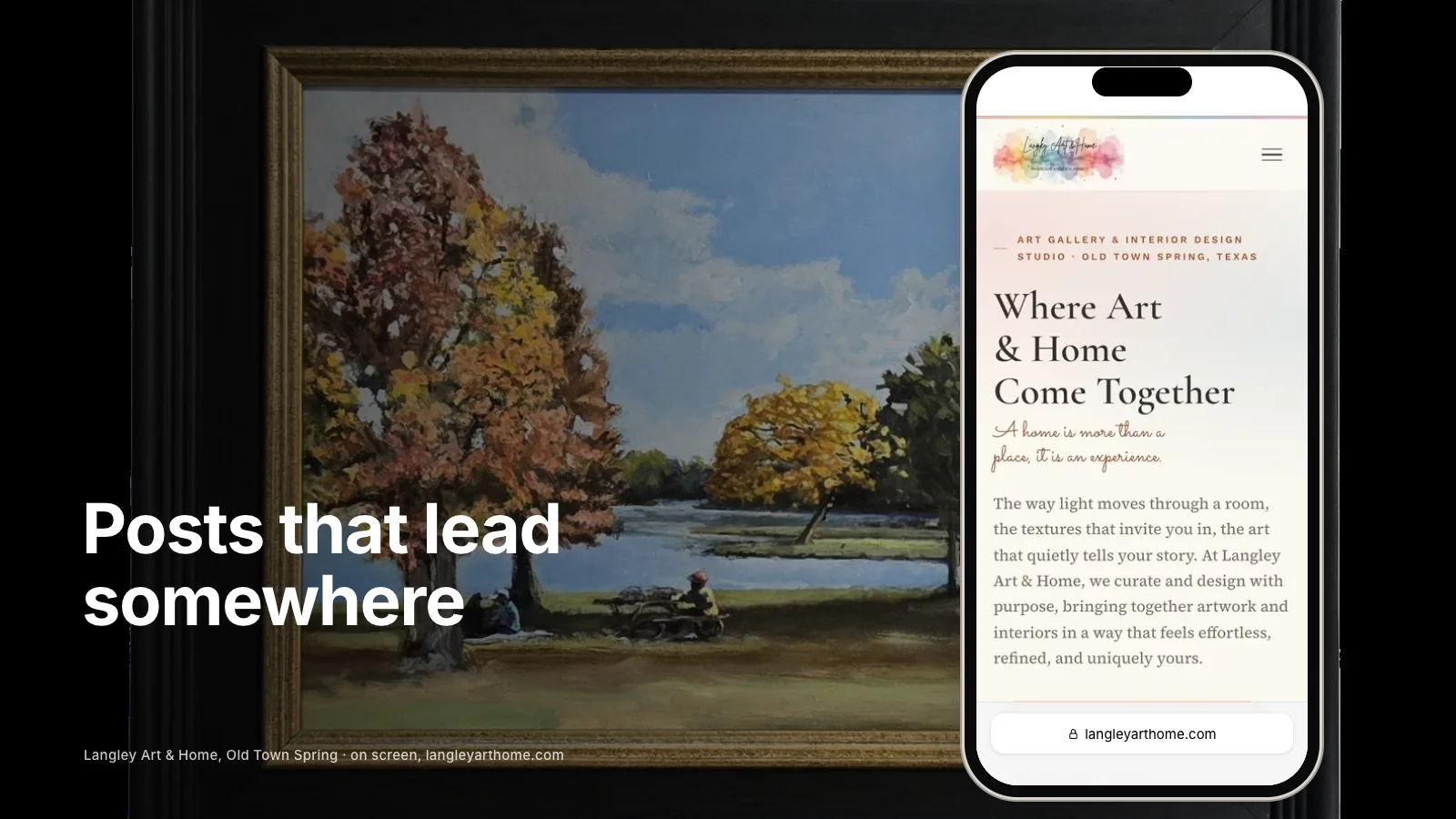
- Instagram: links in stories, shopping lists or link-in-bio pages.
- Blogs and journals: product roundups, room guides and gift guides.
- Newsletters: seasonal favorites or new finds.
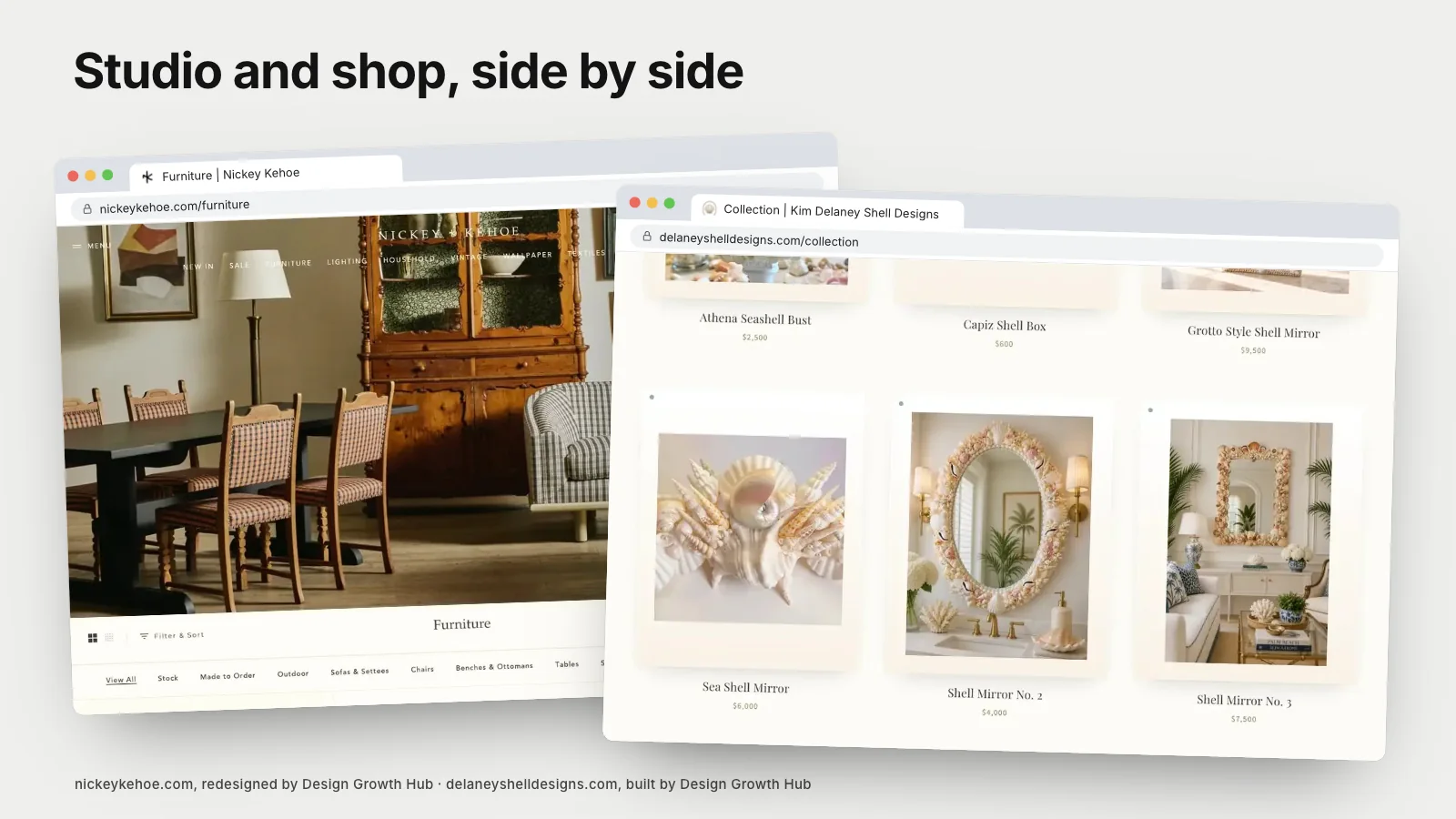
- Shop pages: curated collections on your website.
The potential benefits
- Extra income: some designers earn meaningful revenue from engaged audiences.
- Value for followers: people appreciate trusted recommendations.
- Visibility: product content can attract new followers.
- Diversification: income that does not depend entirely on client projects.
The trade-offs
- Time: finding products, creating content and managing links takes ongoing effort.
- Brand perception: heavy product promotion can make a studio feel like a shop rather than a design practice.
- Audience mismatch: product followers are often different from full-service design clients.
- Variable income: commissions depend on audience size, trust and buying habits.
- Platform changes: programs can change rates or rules at short notice.
Disclosure matters
In the United States, the Federal Trade Commission expects clear disclosure when you have a financial relationship with a brand, including affiliate links. Disclosures should be easy to see, not hidden. A simple note such as "I may earn a commission from links in this post" placed near the links is a common approach. Check current guidance and each platform's rules.
Honest disclosure also protects trust, which is your most valuable asset.
Keep recommendations genuine
Only recommend products you would genuinely use or specify. Followers notice when recommendations feel driven by commission. A smaller number of trusted recommendations builds more credibility and often more income than a stream of promotions.
Affiliate marketing and full-service studios
If your main goal is to win full-service projects, ask whether affiliate content supports or distracts from that goal. A few thoughtful product posts can show your taste. A feed dominated by shopping links may attract people looking for bargains rather than clients looking for a designer.
Some studios separate the two: a main account focused on projects and process, with product recommendations limited to stories or a newsletter section.
Affiliate marketing and e-design
Designers who offer e-design or styling services often find affiliate links fit naturally, because recommending products is part of the service. If that is your model, affiliate income can be an important part of the business. Our article on selling products on an interior design website explores related options.
Trade discounts versus affiliate commissions
Full-service designers often purchase through trade accounts with discounts. Affiliate commissions work differently, earning income from public purchases. Be clear with clients about how you are compensated on any products you specify for their projects. Transparency avoids conflicts of interest.
Affiliate links on your website
If you add product roundups or a shop page to your website, keep them separate from your core service and portfolio pages. Clear navigation helps visitors who want design services find them quickly. Product content can also attract search traffic, but it rarely brings full-service clients directly.
Measuring results
Track clicks, conversions and income by platform. Compare the time spent with the income earned. Also notice whether product content affects the quality of design inquiries. If affiliate content brings income without harming your main business, it may be worth continuing.
Where affiliate marketing fits in a strategy
Affiliate marketing works best as a supplement to a strategy built on owned assets and client relationships. Our guide to marketing strategies that compound explains that foundation. Instagram is where most affiliate content lives, so our guide to Instagram marketing that leads somewhere is also useful, and email marketing for interior designers explains how newsletters can carry occasional recommendations.
Affiliate content and AI tools
Some designers use AI tools to draft product roundups. If you do, check every detail and keep your voice. Our guide to AI tools for running a design business offers sensible approaches. And as AI changes how people shop and search, our article on how AI search changes marketing explains why genuine expertise matters more. For a broader view on how AI affects the profession, see whether AI will replace designers.
If you would like help building a website that keeps design services front and center while supporting other income streams, our Google and AI visibility services and website work can help. Or request a studio review to start.
Build your visibility foundation
Design Growth Hub helps interior designers build the visibility foundation behind high-value discovery.
Request a Studio Review