Marketing for a landscaping business that designs starts with clear positioning: you create designed landscapes, not just maintain lawns. From there, the most effective marketing tells project stories with plans and photography, shows gardens maturing over seasons and years, times promotion to when homeowners plan outdoor projects, builds relationships with architects, builders and interior designers, gathers reviews from happy clients and builds local search visibility for design-related searches. Each step helps homeowners understand why design is worth the investment.
Here is how to market a design-led landscape business.
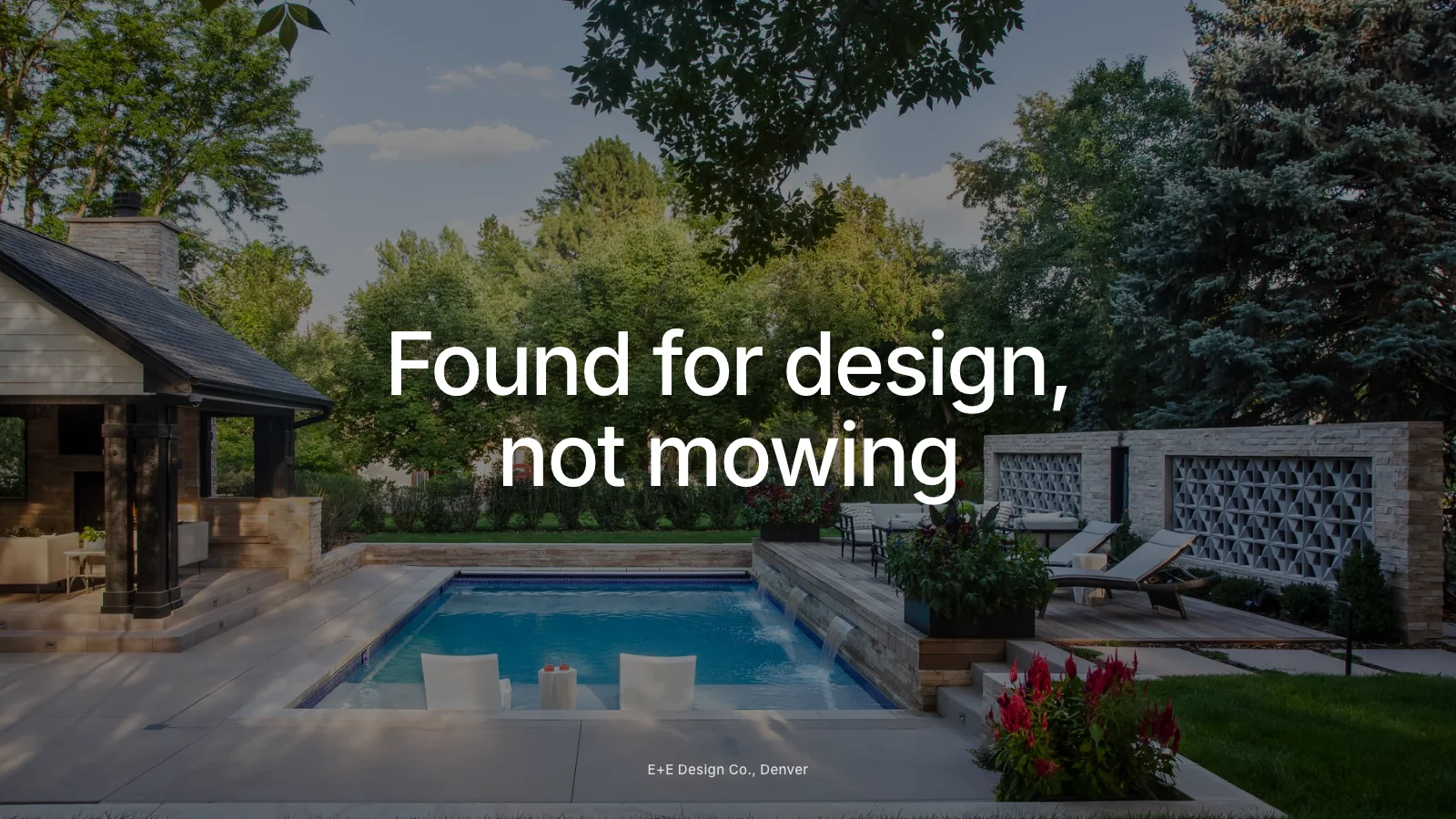
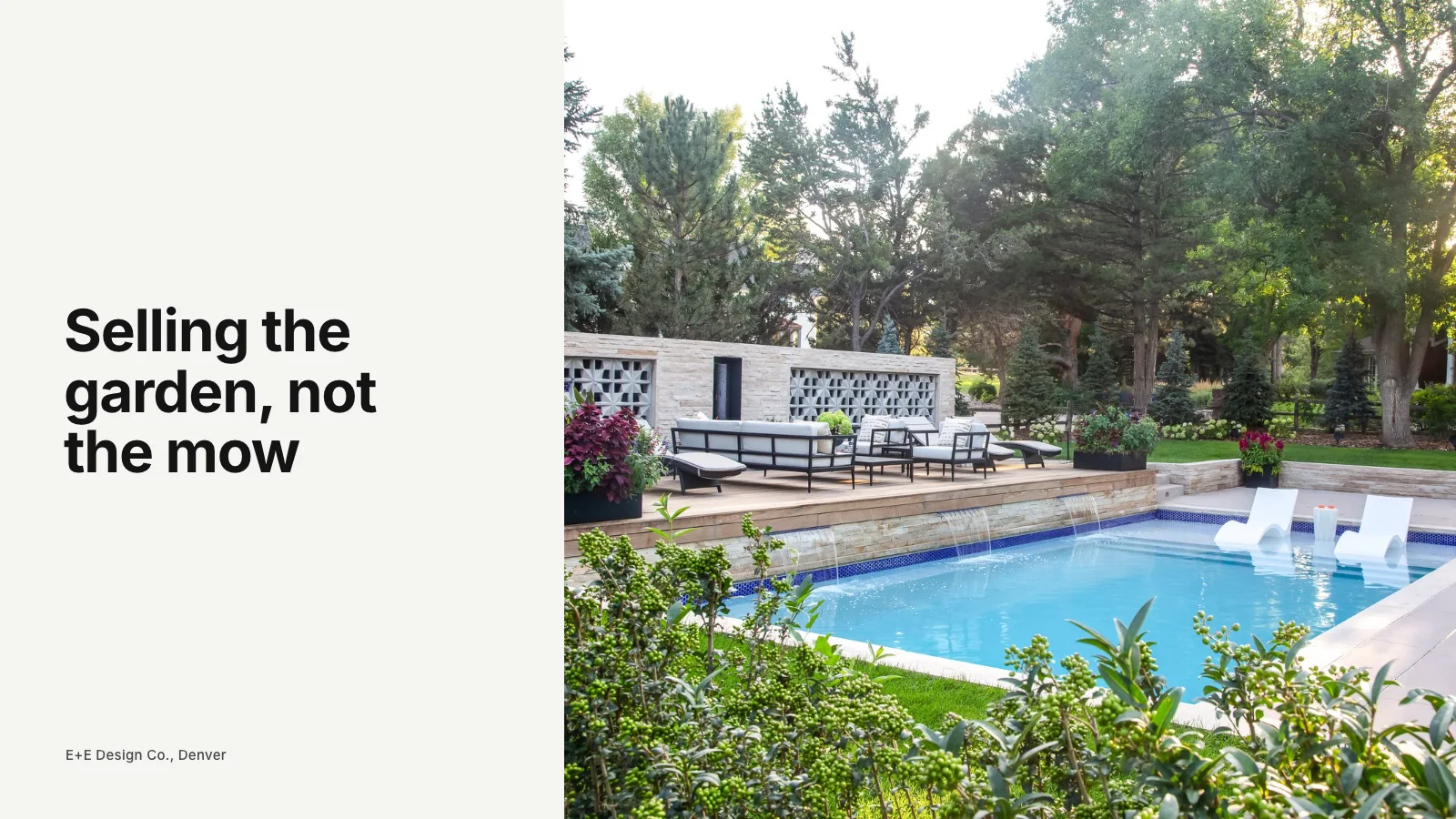
Position around design
Many homeowners think of landscaping as installation or maintenance. If design is central to your business, say so clearly everywhere: on your website, Google profile, vehicles and proposals. Describe what design brings: a garden planned around how the family lives, plants suited to the site, outdoor rooms that feel like part of the house and a landscape that improves over time.
Clear positioning attracts clients who value design and helps you avoid competing on price with crews who simply install.
Tell project stories
For each significant project, share a story: the homeowners' goals, the site's challenges, the design ideas and how the garden is used now. Include before and after photos, plans or sketches and planting details. Stories show your thinking and help homeowners imagine their own gardens.
Show gardens maturing
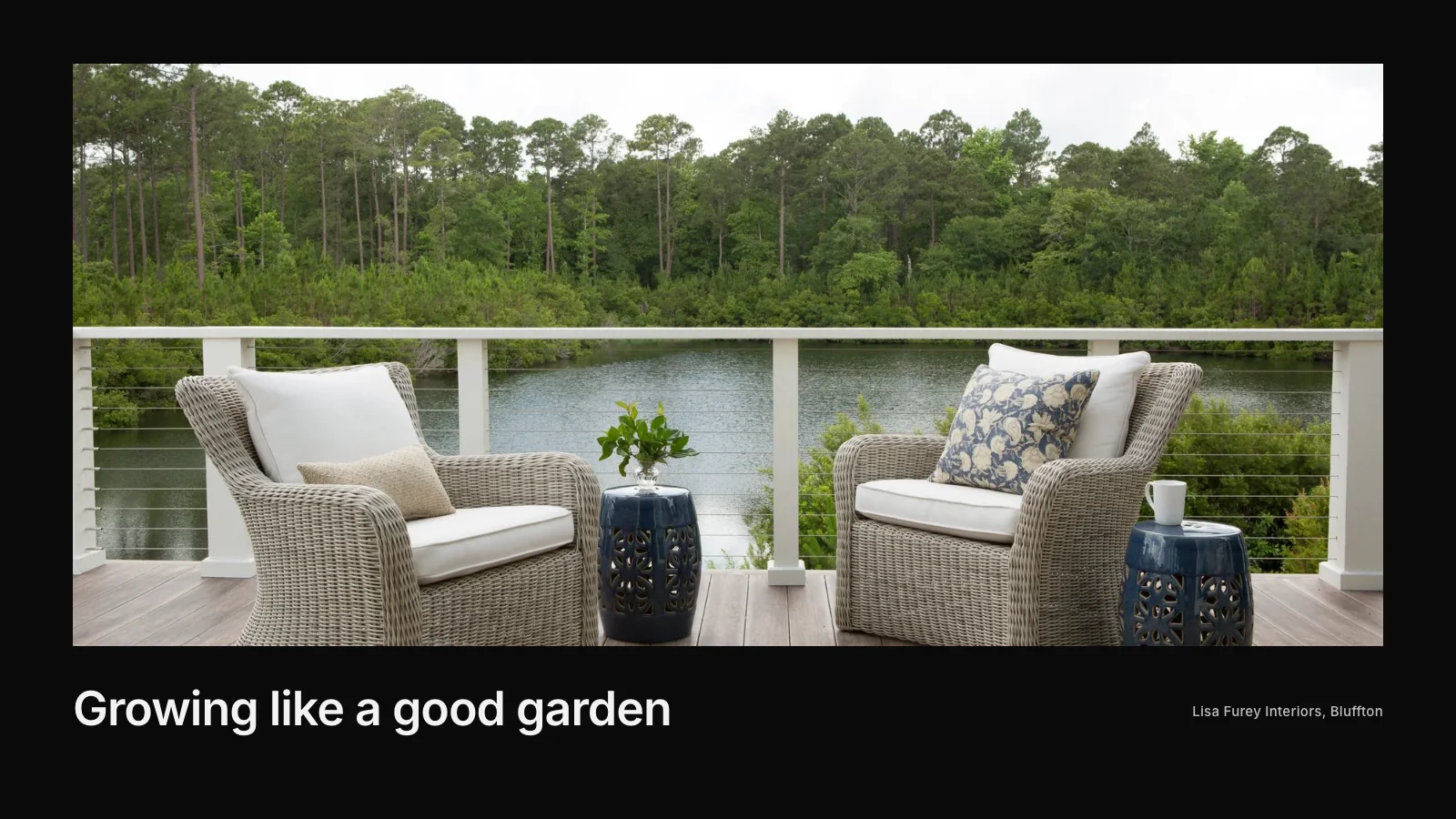
A newly planted garden rarely shows its full potential. Return to projects a year or two later and photograph them as they mature. Sharing these images shows the lasting value of design and reassures clients that their investment will grow more beautiful.
Time marketing to the seasons
Homeowners plan gardens at predictable times. Late winter and early spring are when many think about spring projects; late summer brings planning for fall planting. Increase visibility before these windows with articles, social posts and email to past clients. Use quieter months to photograph projects, update your website and plan.
Build trade relationships
Architects, builders, pool designers and interior designers often meet clients before a landscape designer is chosen. Collaborate well, credit partners and share finished photography. Relationships with a few trusted firms can bring steady, well-matched projects. Our article on architect website design explains how architects present collaborative work, which can inform how you present yours.
Gather reviews when the garden looks its best
Ask for reviews when the garden is established and looking beautiful, perhaps at the end of the first season. Reviews mentioning design, communication and the experience of living with the garden are especially persuasive.
Local search visibility
Homeowners search for "landscape design near me" or "garden designer in [town]." A complete Google Business Profile, service pages for design and outdoor living and area pages for your main towns help you appear. Our article on landscaping SEO for design-led firms explains the details.
Social media for gardens
Instagram and Pinterest suit landscape design well. Share seasonal changes, planting details, before and after transformations and short videos walking through gardens. Link posts to project pages on your website.
Email to past clients
Past clients often expand gardens, add lighting or renovate other areas. A seasonal email sharing new projects and garden care tips keeps you in mind and invites referrals. Our article on email marketing for design businesses offers a simple approach.
Events and garden tours
Garden tours, open days at completed projects with clients' permission and talks at garden clubs build visibility and relationships. Homeowners who see a designed garden in person often become clients.
Web marketing foundations
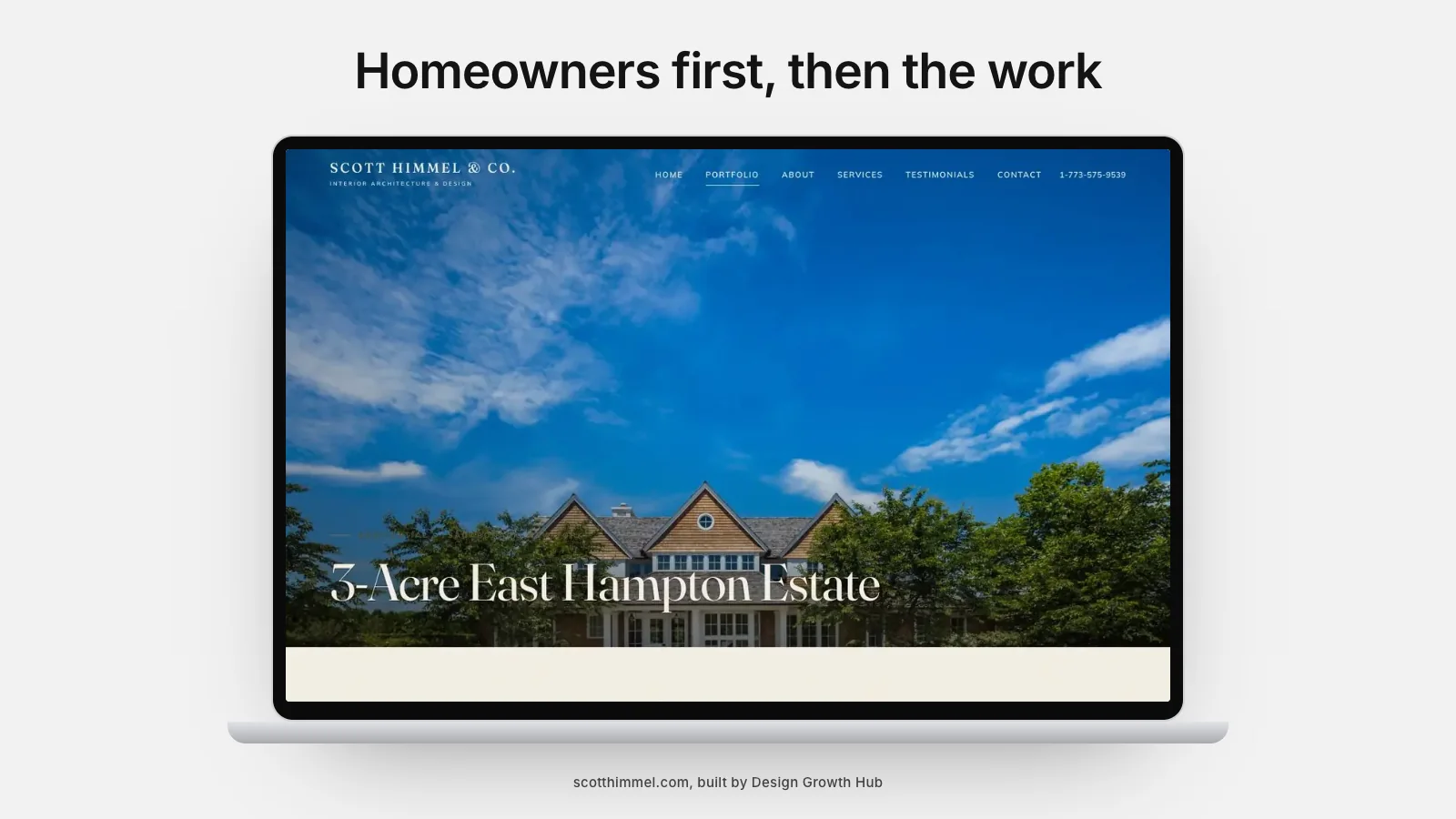
Your website is the hub. It should present projects beautifully, explain your design process, show reviews and make contact easy. Our article on web marketing for design businesses explains how channels connect.
Learning from architects
Architects market design thinking in ways landscape designers can adapt. Our articles on architect marketing ideas and an architecture firm marketing strategy that compounds offer ideas that translate well.
Growing sustainably
Marketing should support the growth you want. Our article on how to grow a landscape design business covers pricing, team and capacity.
Measuring results
Track where inquiries come from, which become projects and which seasons bring the most interest. Adjust timing and channels accordingly.
Explaining the value of design
Many homeowners do not understand what a landscape designer adds compared with simply hiring a crew. Explain it plainly: a design considers how the family will use the space, how plants will grow, how water drains, how paths and views connect and how the garden will look in every season. Show a plan beside the finished garden so homeowners can see the thinking. When the value is clear, design fees make sense.
Photographing at the right time
Gardens have peak moments: spring bloom, early summer fullness, autumn color, evening light. Plan photography for these moments and return to key projects across the year. A small library of seasonal images gives you fresh content for months and shows the garden's full character.
Common mistakes
- Marketing design and maintenance on the same page.
- Showing only newly installed gardens.
- Promoting heavily when the calendar is already full.
- Neglecting partners who could send steady work.
- Leaving the website unchanged for years.
If you would like help building a website and visibility for your landscape design business, our Google search services work with design-led firms. Or request a studio review to start.
Request a Studio Review
If your work is already strong, the next step is making sure Google + AI can understand it clearly.
Request a Studio Review