An interior design marketing agency should help you clarify who you serve, strengthen the website and search presence that every other channel depends on, improve your Google Business Profile and reviews, support content and advertising where they make sense, and report honestly on whether inquiries are improving. The best agencies act as a partner who understands how design clients choose a studio, not a vendor selling a standard package.
Here is what to expect from a good agency, how to evaluate one and when you might not need one at all.
Strategy before tactics
A good agency begins by understanding your studio. Who are your best clients? Which projects do you want more of? Where do you work? How do clients find you now? What has worked and what has not?
From those answers comes a strategy: where to focus, what to fix first and what to leave alone. If an agency starts by proposing a set number of social posts or ads before asking these questions, be cautious. Our article on interior design marketing that brings better projects explains how the pieces fit together.
The website as the hub
For most design studios, the website is the hub of all marketing. An agency should assess whether your site explains your services, shows relevant projects, builds trust and makes inquiring easy. If it does not, improving it is usually the first priority, because every other channel sends people there.
Search and AI visibility
Clients increasingly find designers through Google and AI tools. A capable agency should cover:
- Service, project and location pages that match how clients search.
- Technical health, speed and structured data.
- Your Google Business Profile and reviews.
- Consistent business details across the web.
- How AI tools such as ChatGPT and Google's AI Overviews describe your studio.
Our article on how AI search changes interior design marketing explains why this last point now matters.
Content and social media
Some agencies manage Instagram, Pinterest or newsletters. These can be valuable when done in your voice and connected to your website. Ask to see examples of content they have created for other design studios. Generic posts and stock captions can do more harm than good for a brand built on taste.
Advertising
Agencies often offer Meta and Google advertising. Good ones will tell you when you are not ready, for example when your website or profile needs work first. They should set up proper tracking so you know which ads bring inquiries, not just clicks.
Print and presentation
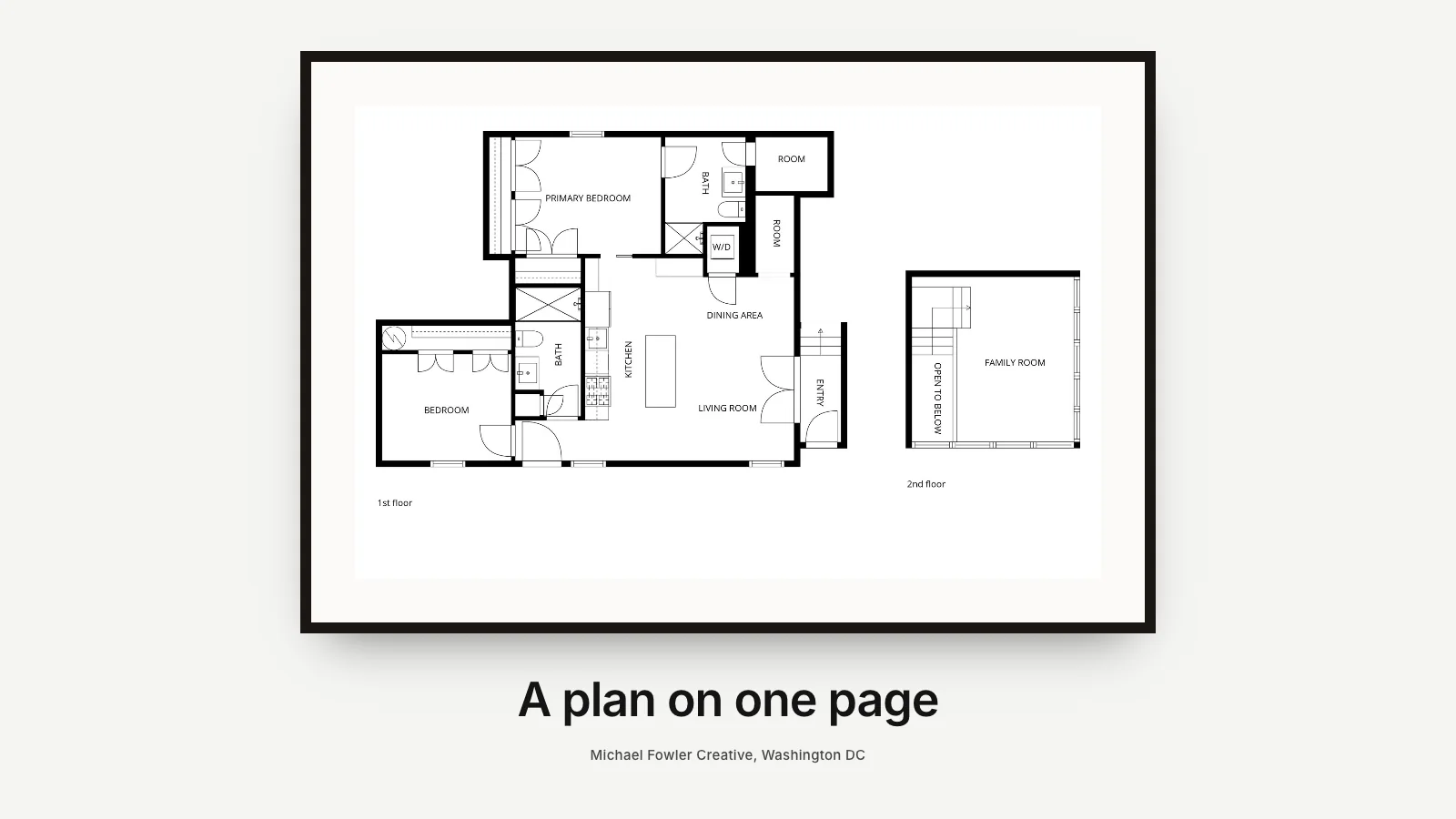
Some studios still benefit from printed brochures, look books or proposal templates. An agency may help with these, but they should support rather than replace your website. Our article on whether to create a brochure or website first weighs the choice.
Reporting
You should receive reports that explain, in plain language, what was done, what changed and what is planned next. Useful measures include inquiries by source, the quality of those inquiries, search visibility for important terms and Google profile actions. Reports filled with impressions and follower counts but no link to projects are not enough.
How to evaluate an agency
Ask these questions:
- Have you worked with interior designers, architects or builders?
- What would you focus on first for my studio, and why?
- What exactly is included each month?
- Who will do the work, and how will we communicate?
- How will you measure success?
- What would you advise me not to spend money on?
- How do contracts and cancellations work?
Look at their own website too. An agency that markets design studios should present its own work clearly.
Red flags
- Promised rankings or a fixed number of leads.
- Long contracts with vague deliverables.
- One-size-fits-all packages.
- Reports with no explanation.
- Content that could belong to any studio.
- Pressure to start advertising before the foundations are ready.
When you might not need an agency
If your studio is small, fully booked through referrals and your website and Google profile are in good shape, you may only need occasional help. Many designers handle marketing well with a simple plan and a few habits. Our marketing plan example and list of marketing ideas for an interior design business can help you work independently.
Agency, freelancer or in-house
Agencies offer breadth and a team. Freelancers may offer a closer relationship at lower cost but cover fewer areas. Some studios hire a part-time marketing coordinator and bring in specialists for websites or search. The right choice depends on your size, budget and how much you want to be involved.
What working with us looks like
Design Growth Hub works with interior designers, architects, remodelers and showrooms. We focus on the hub of your marketing: websites, Google and AI visibility and your Google Business Profile. Our Google and AI visibility services begin with a review of where you stand. You can see examples of our work in our case studies, or request a studio review to talk about your studio. If you want a broader view of channels first, our guide to digital marketing channel by channel is a useful read.
Turn your website into a visibility asset
A website can be a brochure or an asset that brings clients. We help design studios build the second kind.
Request a Studio Review