Email marketing works for contractors when it keeps past clients, partners and interested homeowners thinking of you between projects. Build a list from the people you have already worked with, send a few genuinely useful emails a year, such as seasonal maintenance reminders, recently completed projects and company news, and make it easy for readers to reply or refer a friend. Measured by repeat work and referrals rather than open rates, a simple email routine can be one of the most profitable marketing habits a contractor has.
Here are practical tips for getting started and keeping it manageable.
Why email works for contractors
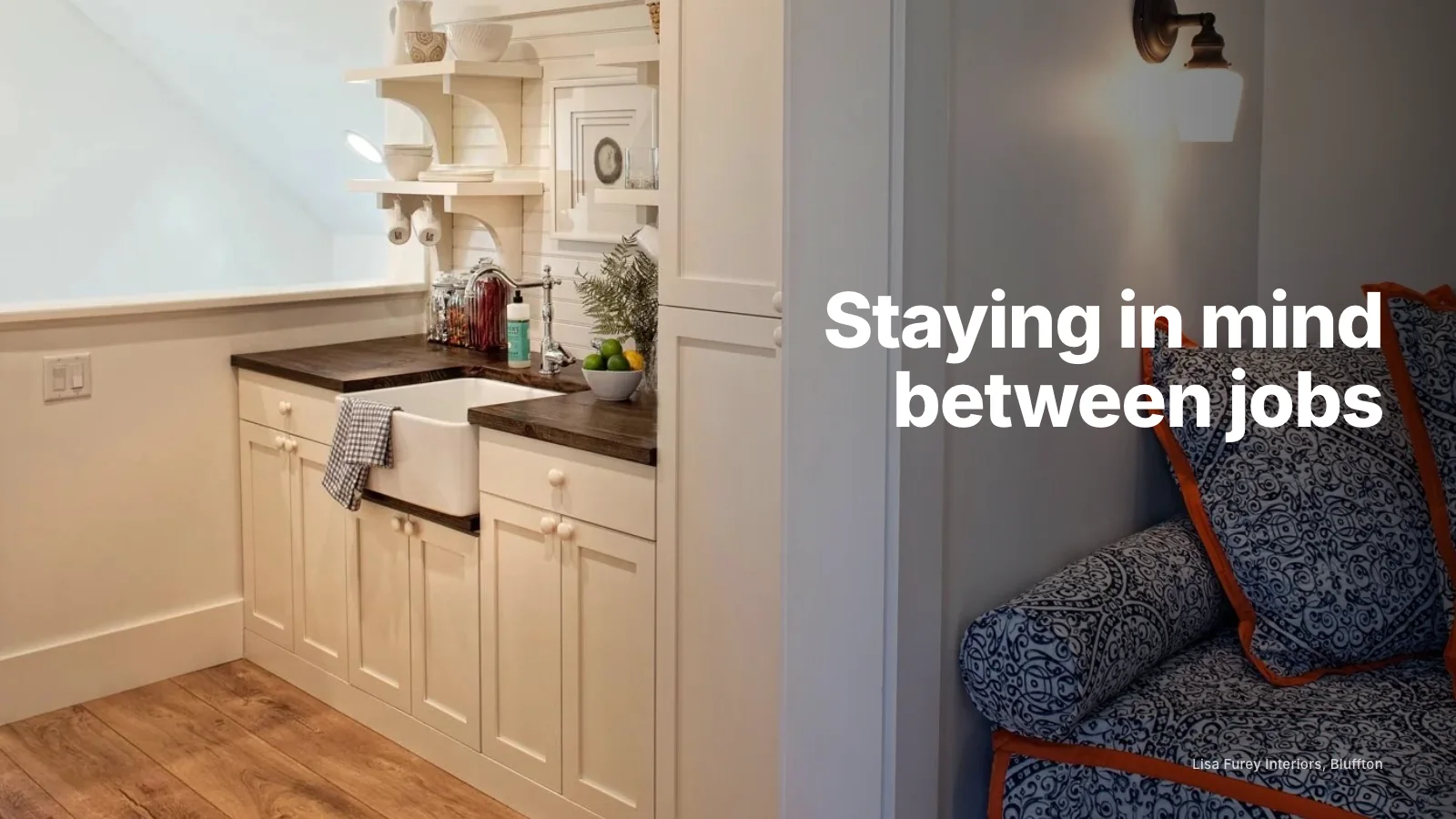
Most homeowners need a contractor more than once. A kitchen this year may lead to a bathroom in three years and an addition after that. Many also know neighbors, friends and family who are planning projects. The challenge is staying in mind during the gaps. Email solves that cheaply and directly, without depending on social media algorithms or paid ads.
Email also reaches partners such as designers, architects and realtors who may refer work. A short update showing a recent project reminds them what you do well.
Build your list from people who know you
Start with past clients, current clients, partners and homeowners who have requested estimates. Ask permission when you collect email addresses, for example on your estimate form or contract, and always include a clear way to unsubscribe. A small list of people who know you is far more valuable than a large list of strangers.
Avoid buying email lists. They rarely work, can damage your sender reputation and may break email rules.
Choose a simple tool
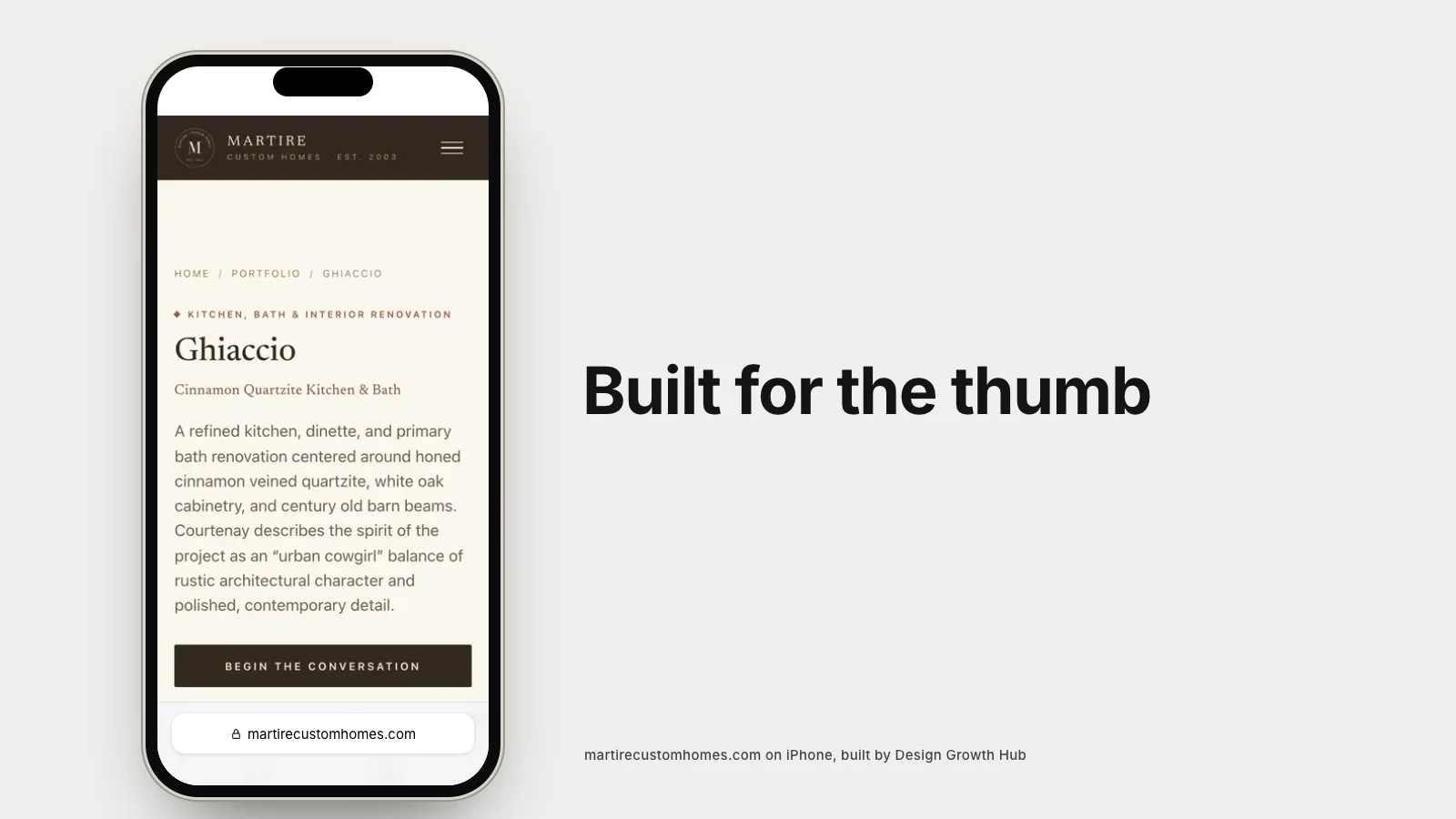
Email tools such as Mailchimp, Constant Contact or similar services make it easy to design and send emails, manage subscribers and see basic results. Choose one with clean templates that work well on phones. You do not need advanced features to start.
What to send
The best contractor emails are useful or interesting, not purely promotional. Reliable topics include:
- Seasonal maintenance reminders: checking gutters, sealing decks, preparing for winter.
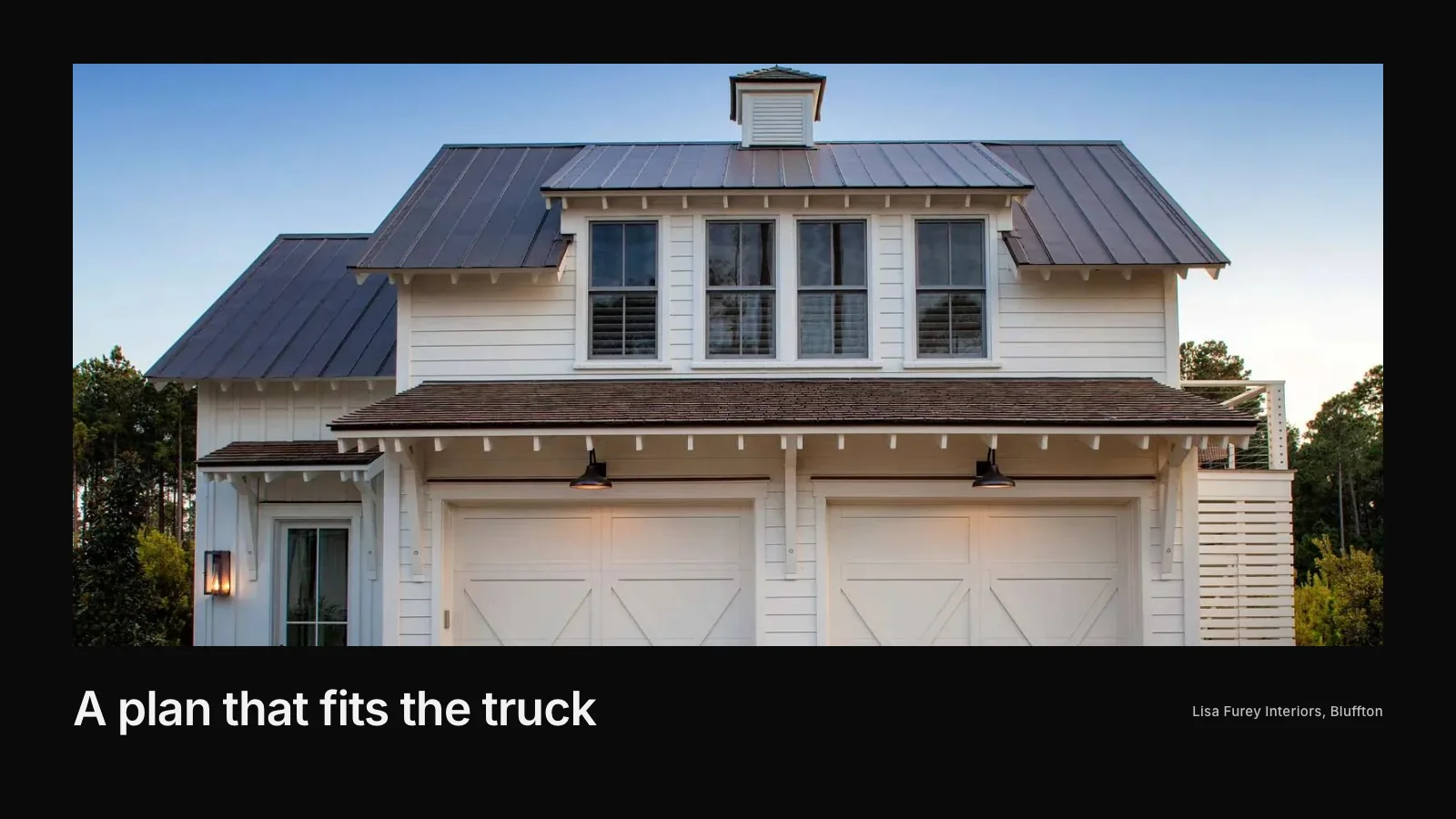
- Recently completed projects: a few photos and a short story.
- Company news: a new team member, an award or a new service.
- Helpful tips: how to plan a kitchen, what to know before a bathroom remodel.
- Scheduling notes: when you are booking projects for the coming season.
One main topic per email keeps it focused and easy to read.
How often to send
For most contractors, two to six emails a year is enough. A seasonal rhythm, such as early spring and early fall, is easy to maintain and matches when homeowners plan projects. Sending too often can lead to unsubscribes; sending too rarely means people forget you.
Keep emails short and personal
Write as you would speak to a client. Use a clear subject line, lead with a strong photo, keep the text short and sign off with a real name. Personal, plain emails often perform better than heavily designed ones.
Example subject lines: "A kitchen we finished in Westfield this spring", "Three things to check before winter", "We are booking fall projects now."
Make replying and referring easy
Invite readers to reply with questions or project ideas. Many will reply directly to the email, which feels personal and easy. Include a gentle line such as "If a friend or neighbor is planning a project, we would be grateful for an introduction." Referrals often come from these simple reminders.
Link to your website
Each email should link to a relevant page on your website: the project story, a service page or your estimate form. This brings readers back to the pages most likely to turn interest into inquiries.
Follow-up emails for estimates
Not every estimate becomes a job right away. A short, polite follow-up email a week or two later, offering to answer questions, can bring projects back. Some homeowners delay for months; a seasonal email may remind them when they are ready.
Emails to partners
A separate, occasional email to designers, architects and realtors, showing recent projects and mentioning your availability, keeps referral relationships warm. Keep it brief and professional.
Measure what matters
Open and click rates give some indication of interest, but the real measures are replies, repeat projects and referrals. Note when a client or partner mentions your email. Track estimate requests that arrive shortly after a send.
Making it a habit
The hardest part of email marketing is starting and staying consistent. Put send dates on your calendar at the start of the year, collect project photos as you go and keep a running list of tips and news worth sharing. When the date arrives, writing the email takes less than an hour.
Common mistakes
- Sending only promotional offers.
- Emailing too often.
- Using a list without permission.
- Forgetting to link to your website.
- Never sending anything at all.
Fitting email into your plan
Email works best as one part of a consistent marketing routine. Our guides to a contractor marketing calendar for the whole year and a general contractor marketing plan show where it fits. For mobile-friendly design, see mobile marketing tips for contractors, and for the full picture, digital marketing for remodeling contractors and general contractor marketing. Interior designers use similar approaches, described in email marketing for interior designers.
If you would like help making sure your website turns email readers into inquiries, our Google search services and website work support contractors. Or request a studio review to start.
Request a Studio Review
If your work is already strong, the next step is making sure Google + AI can understand it clearly.
Request a Studio Review