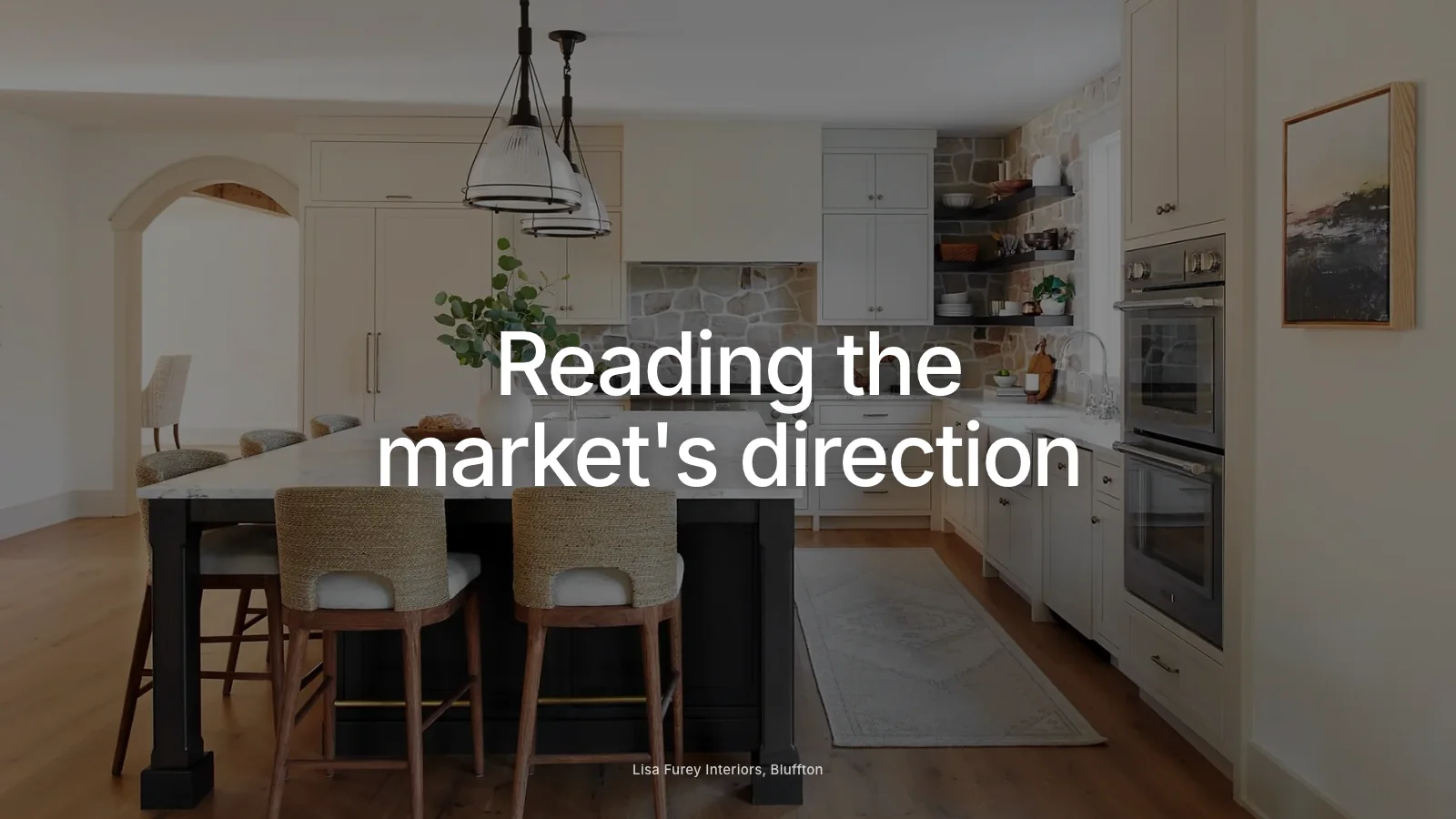
Remodeling market trends matter for marketing because they change what homeowners search for, what they value and how they choose a contractor. Several shifts are worth watching: more homeowners planning to stay in their homes longer and adapting them for aging, continued interest in flexible spaces such as home offices, growing attention to energy efficiency and comfort, steady demand for outdoor living and, in uncertain economic periods, a tendency toward smaller or phased projects. Alongside these, homeowners research more before calling, increasingly with the help of AI tools. Remodelers who adjust their services and messaging to the trends that fit their strengths are better placed to win the work.
These observations are general rather than based on a specific study. Treat them as prompts to look at your own local market and lead history.
Homeowners staying put and aging in place
Many homeowners are choosing to improve the homes they have rather than move. Some are planning for the years ahead with accessible bathrooms, first-floor bedrooms, wider doorways and better lighting. This creates steady demand for thoughtful, well-planned remodels.
What it means for marketing: if you do this work, explain it clearly and sensitively on a dedicated page. Use language homeowners and their adult children search for, such as accessible bathroom, walk-in shower or first-floor primary suite. Show examples. Our article on bathroom remodeling marketing explains how to present bathroom craft, which is central to much of this work.
Flexible and multi-use spaces
Home offices, guest suites that double as studios, finished basements and spaces for extended family remain common requests. Homeowners want their homes to adapt to changing needs.
What it means for marketing: show projects that solve these needs and describe how the space is used, not just how it looks. Service pages for basements, additions and conversions help homeowners find you.
Energy efficiency and comfort
Homeowners increasingly ask about insulation, windows, heating and cooling efficiency and electrical upgrades as part of remodeling. Comfort and lower running costs are often as important as appearance.
What it means for marketing: mention efficiency improvements in project stories and service pages where you genuinely include them. Avoid overstated savings claims; describe what you did and why.
Outdoor living
Decks, covered patios, outdoor kitchens and connections between indoor and outdoor spaces continue to attract interest, especially in regions with long warm seasons.
What it means for marketing: if you offer outdoor work, give it its own page and time your promotion to the planning season before warm weather.
Smaller and phased projects
When interest rates or economic uncertainty rise, some homeowners scale back to smaller projects or phase larger ones over time. A full kitchen might become a refresh now and a layout change later.
What it means for marketing: consider whether to offer phased approaches and explain them clearly. Smaller projects can start relationships that lead to larger work later.
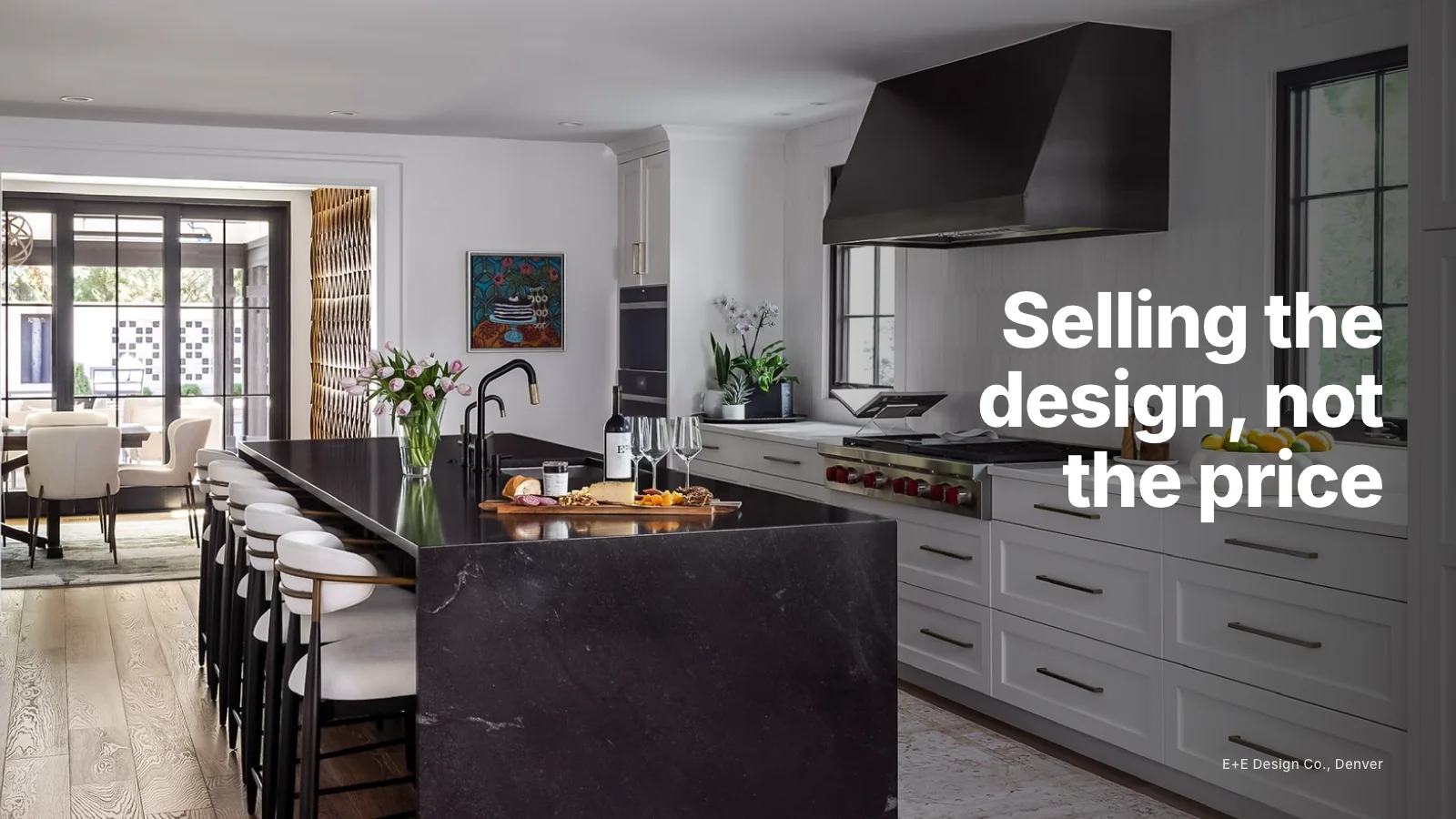
Design-led expectations
Homeowners see beautiful kitchens and bathrooms constantly on social media and expect design guidance from remodelers. Companies with in-house design or strong designer partnerships stand out.
What it means for marketing: show your design process, selections support and finished details. Our article on kitchen remodeling marketing for design-led remodelers explores this.
More research before the first call
Homeowners research extensively before contacting a remodeler: browsing websites, reading reviews, comparing portfolios and checking social media. By the time they call, many have already narrowed their list.
What it means for marketing: your website, Google profile and reviews must answer their questions clearly. Our guide to digital marketing for remodeling contractors sets out the steps.
AI-assisted research
Homeowners increasingly ask AI tools questions such as how much a bathroom remodel costs, how long a kitchen takes or which remodelers are well reviewed nearby. These tools summarize information from websites, profiles and reviews.
What it means for marketing: clear service pages, honest answers to common questions, consistent business details and steady reviews help AI tools describe your company accurately.
Labor and scheduling pressures
Skilled labor shortages and material lead times affect timelines in many markets. Homeowners appreciate honest scheduling information.
What it means for marketing: explain how you plan schedules and communicate delays. Honesty about lead times builds trust.
How to use trends without chasing them
Not every trend fits every company. Choose the ones that match your strengths, capacity and local market. Adjust services and messaging gradually, test with a page or campaign and watch the response. Our guides to remodeling marketing that fills the calendar and a home remodeling marketing strategy for the year help you plan.
Watching your local market
National trends are only part of the picture. Watch your own lead history, talk to suppliers and designers and notice which questions homeowners ask most. Local signals are often more useful than broad trends.
Search behavior as a trend signal
Your Google Search Console and Google profile search terms show what homeowners in your area are looking for. Rising searches for accessible bathrooms or basement finishing, for example, can signal demand worth meeting. Our article on bathroom remodeling SEO for local searches shows how to act on search data for one service.
If you would like help adjusting your website and search presence to the trends that fit your business, our Google search services work with remodelers. Or request a studio review to start.
Start with a Google + AI visibility audit
Before changing anything, it helps to see clearly. A visibility audit shows exactly where your studio is easy, or hard, to understand.
Request a Studio Review